Rated · TOURS
Complete Triana Tour “Corrales included”.
Triana works best when you get out of the main drag and into the side streets, courtyards, and old neighborhood corners. This tour is interesting because it promises Triana al completo, with corrales included, and it strings together the big sights plus the quieter places people usually miss. I especially like the way the route mixes landmark history with intimate local spaces, like the Corrales de vecinos and open-sky patios. I also like that the tour is guided by accredited local guides who explain traditions as you walk. One drawback to plan for: the live guide is Spanish only, and there are no speakers, so if you do not follow Spanish well, your experience may feel limited.
You start at the Torre del Oro area and cross into Triana, then keep moving through churches, convent spaces, and even underground tunnels tied to local legend. The pace is designed to feel easy too, with stops described as comfortable and without hills. In summer, you get extra shade where possible, while winter leans into sun, so you can dress smart for the weather.
Key highlights

- Corrales de vecinos are part of the tour, not an optional add-on, and you get to see courtyards open to the sky
- Triana’s major religious stops show up on the walk, including Santa Ana and Los Marineros
- Royal Almohad Almonas tunnels connect the neighborhood to a story about soap
- Old craftsmanship is built in, with a stop at San Ana Ceramics Factory
- Triana Market ends the experience, so you can transition straight into food
- Comfort matters, with stops described as accessible and without hills
Triana al Completo With Corrales Included: Why This Tour Feels Different
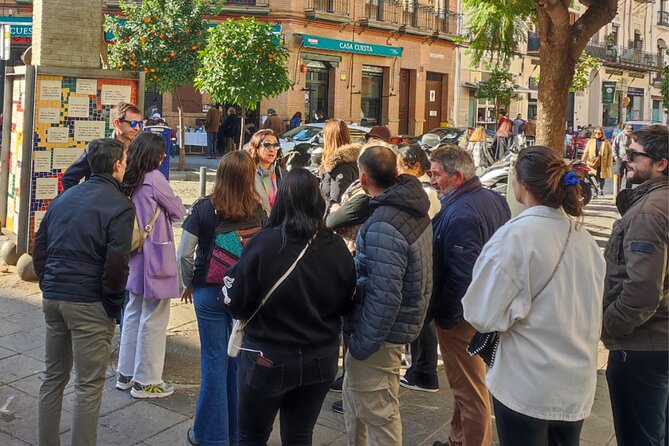
Most Triana walks give you streets and viewpoints. This one aims for something more specific: it treats Triana like a layered neighborhood, with both a lively side and a quieter side you only get when someone knows where to take you. That is where the value shows up.
The headline is simple. Corrales are included. Instead of only watching Triana from outside, you spend time in interior courtyard spaces that feel like everyday life. The tour also takes you to churches and convent-linked serenity, plus a castle and tunnel network that pulls you toward the older layers of Seville.
At $14 per person for a 2-hour route, it is not trying to be a long, slow archaeology project. It is a tight, well-chosen sampler that covers a lot of named places: churches, a convent, a castle, tunnels, a ceramics factory, and the market area. If you only have a short window in Seville, that kind of coverage is exactly what you want.
My advice: go in expecting a mix of visual stops and guided storytelling. The route is designed so each location adds a different angle on Triana, not just another photo spot.
More of Seville worth an open tab:
- Seville: Live Flamenco Dancing Show Ticket at the Theater
★ 4.7 · 16,396 reviews - Seville: 1-Hour Guadalquivir River Sightseeing Eco Cruise
★ 4.2 · 10,281 reviews - Seville: Cathedral, Giralda, and Royal Alcázar Guided Tour
★ 4.7 · 9,165 reviews
Starting at Torre del Oro, then Crossing Into Triana
The tour begins at the Torre del Oro gate, next to the canyons, not down the river. That detail matters more than it sounds. If you meet at the wrong spot, you lose time before the walk even starts.
From there, you head into the river area landmarks, including guided stops at Puente de San Telmo and Puente de Isabel II. These crossings do two jobs. First, they help you orient yourself fast, so Triana feels like a place you can picture later on your own. Second, they reset the mood. You go from the monumental riverfront feel to the neighborhood scale of Triana.
If you like photos, you will probably catch a few good frames along the way. But the smarter move is to listen for the explanations tied to each stop, because this tour is about understanding what you are seeing, not just capturing it.
Santa Ana Square and the Churches That Define Neighborhood Faith

After the bridges, the route moves to Plazuela de Santa Ana for a guided stop. From there, you visit the Real Parroquia de Señora Santa Ana, also guided. This is where Triana starts feeling less like an Instagram route and more like a living neighborhood with a devotional rhythm.
Then comes Los Marineros through the Capilla de los Marineros stop, plus the tour references Esperanza de Triana as a devout emblem connected to the area. Even if you are not a church history specialist, that matters. It is the kind of local detail that makes a neighborhood click, because it shows how belief, art, and community identity overlap in one compact area.
One smart thing about how this is handled: the tour does not treat faith sites as stand-alone monuments. It threads them into the broader Triana story, so you understand why these places belong to the neighborhood, not only to Seville.
Hermandad de la Estrella and the Triana-Known-For Feeling
The itinerary includes Hermandad de la Estrella (Triana) as a guided stop. It is a name that might mean nothing on a first pass, but that is often the point of taking a guided route. The guide’s job is to explain what the neighborhood tradition is really about, and why Triana people care.
You also get the wider Triana framing through the way the walk connects places tied to ceremonies and neighborhood identity. The tour description leans into flamenco energy too, describing hidden streets where you can feel that grace and that Triana pride.
If you are the type who likes stories, this part tends to land well. If you are mostly into architecture and photos, it can still be worth it, because the guide links the symbols to the street-level experience.
Still around Seville, a different sort of day:
- Seville: Setas de Sevilla Entry Ticket
★ 4.6 · 8,901 reviews - Seville: Cathedral, Giralda & Alcazar Entry With Guided Tour
★ 4.6 · 8,560 reviews - Seville: Priority Access Cathedral, Giralda & Alcázar Tour
★ 4.8 · 7,563 reviews - Seville: Guadalquivir River Cruise
★ 3.9 · 6,921 reviews
Corrales de vecinos and Open-Sky Patios: The Part You Will Talk About Later
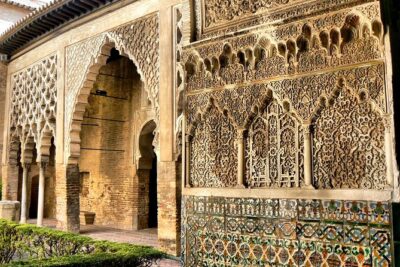
This is the signature moment. The tour includes Corrales de vecinos, described as authentic inherited jewels, and it also includes visits to traditional courtyards of old houses open to the sky.
Why this is so valuable: courtyard housing spaces like these are a form of daily life. Even when you are not an expert on the architecture, you can feel the difference between a street-view monument and a place designed for people. The courtyards are where Triana becomes human scale.
This tour is also explicit that these corrales are a gift for the visitor. In practice, that means you are more likely to see places you would not stumble upon alone, especially if you are walking quickly between major landmarks.
You also get an additional courtyard architecture stop: the Patio de la Espartería. Expect it to feel like a transition from the bigger sights into something quieter, more intimate, and very “old house, open to the air.”
Tip: take a moment in each courtyard to pause. Even if you are short on time, this is not one of those tours where speed is your friend.
San Jacinto Dominican Convent: Serenity With a Side of Story
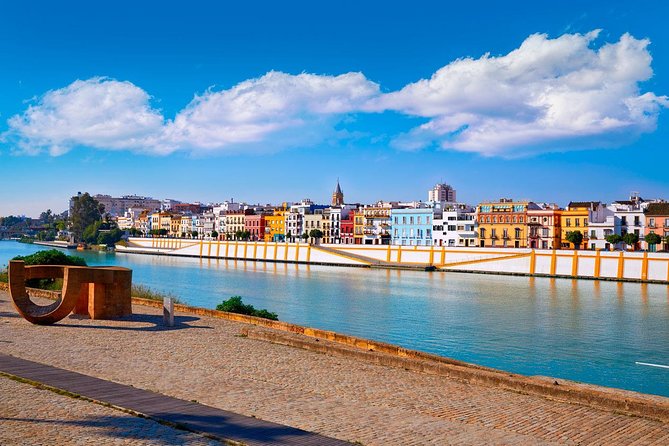
Another guided highlight is the Dominican Convent of San Jacinto. The tour frames this stop around serenity and history. That combination can be powerful, because it slows you down after busier stretches.
You then connect the religious calm to the broader neighborhood atmosphere, which includes named churches and chapel stops you visited earlier. The convent stop can help you understand why Triana feels both lively and reflective.
If you are sensitive to very crowded church interiors, plan your mindset accordingly. This part of the tour is guided, so the timing and group flow matter, and the guide will likely keep you moving at a comfortable pace.
Castle of San Jorge and Calle San Jorge: Tension in the Walls
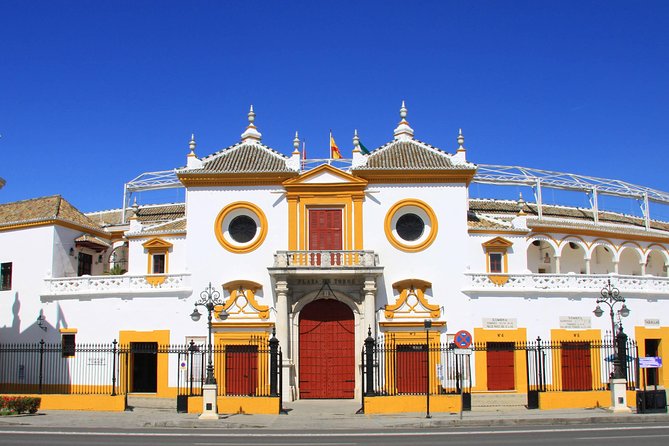
The route includes Castillo San Jorge and Calle San Jorge as guided stops. The tour description connects the castle to the passage of the sad inquisition.
Even if you do not want heavy themes on vacation, this kind of stop is useful in a neighborhood tour because it reminds you that places can hold contradictory feelings: beauty on the outside, tension in the past. The castle is also a strong visual anchor. It helps you map Triana as a place with defensive, political, and social layers, not just today’s streets and shops.
You do not have to be a history buff to get something out of it. What you want is the interpretive thread from the guide, so you can leave with a clearer mental picture of why the neighborhood looks the way it does.
Royal Almohad Almonas Tunnels: The Tunnel Stop That Explains the Strange Stuff

One of the most unusual parts of the tour is the guided visit to the tunnels of the Royal Almohad Almonas. The tour ties this place to a story about the most popular soap in Europe and America being born here.
That is the kind of detail that makes a neighborhood tour feel alive. You are not just walking the visible city. You are also learning about the hidden infrastructure and the legends attached to it.
Practical tip: tunnels and underground spaces can be cooler than the street level. Bring a layer you can add or subtract, especially if you are touring in early morning or evening.
This is the stop where you will probably feel the tour’s “beyond conventional destinations” promise most clearly. It also helps justify the price, because not every walking tour includes anything subterranean.
San Ana Ceramics Factory: Craft Tradition You Can Still See
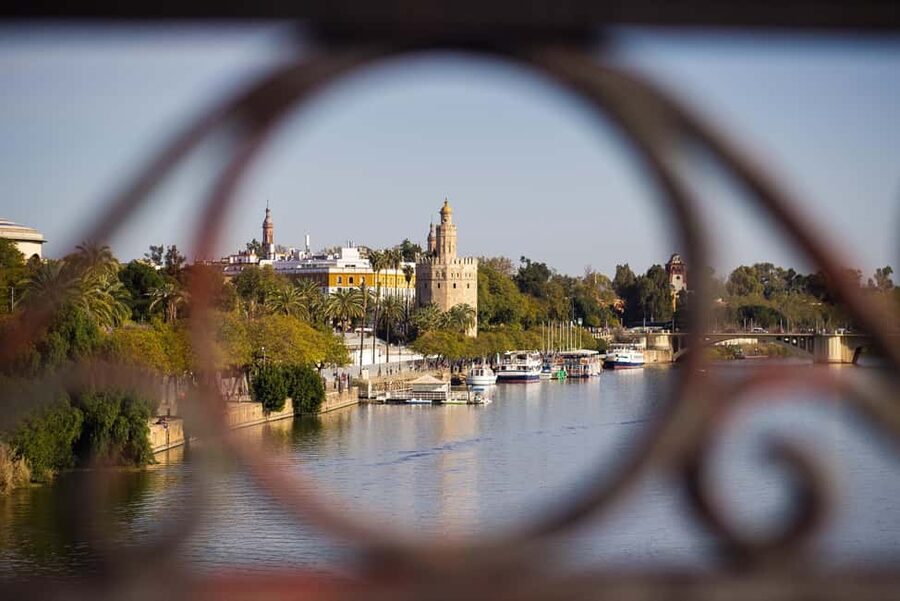
The route includes a stop at the San Ana Ceramics Factory and also references kilns connected to that tradition. This is one of those places where you get more than a quick glance, you get a guided connection to how the neighborhood preserves craft.
Why this matters for your trip: you will get more out of Seville’s art scenes if you understand that craft is not just museum stuff. It is part of the neighborhood identity. Ceramics are functional, decorative, and cultural all at once, and a guided stop helps you connect the dots without turning it into a lecture.
If you are buying souvenirs, this is also a good spot to get a sense of what matters and what you might want to look for later. The tour does not promise discounts, but seeing a working craft space helps you shop with more confidence.
Betis and San Jacinto Streets, Triana Bridge, and the Old Fishing Port
As the tour keeps moving, you get guided time around Betis and San Jacinto streets, described as full of bars, stories, and legends. You also visit the old fishing port and the iconic Triana Bridge, with the guide pointing out what it hides.
That combination is practical for future wandering. By the time you leave, you will know which streets to circle for an evening drink and which stretches are more tied to Triana’s working past.
If you like street-level atmosphere, this is a highlight. The bridge and the fishing port also set you up for thinking about Triana as a working neighborhood, not just a scenic one.
Capillita del Carmen and Juan Belmonte: Small Spots With Big Local Meaning
The tour includes the Capillita del Carmen as a guided stop where the guide shares secrets. It also includes Juan Belmonte.
These are the types of stops that can be easy to skip on your own because they might not look like “major sights” on a quick glance. In a guided route, they matter because the guide explains why locals pay attention.
If you enjoy learning how neighborhoods attach stories to small physical markers, you will appreciate this segment. It also helps balance the heavier history stops like the castle and tunnels.
Triana Market Finish: Use the Tour as Your Food Map
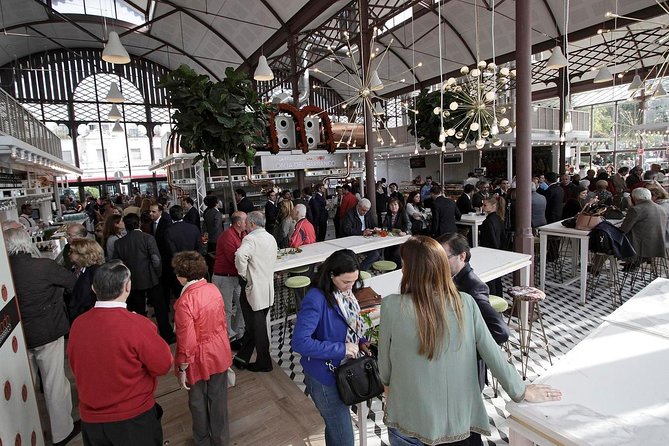
The tour ends back in the Triana Market area, with the finish location listed as Pl. del Altozano, 16A. The market stop itself includes a guided walk through Triana Market, which is described as one of the neighborhood’s most emblematic places.
What I like about finishing here is that it turns the tour into a practical meal plan. The tour description says you will learn what and where to eat good Triana, Sevillian, and even gypsy tapas.
You also get local recommendations tied to the neighborhood. That is not just helpful, it saves time, because you avoid guessing. When you finish at a market area, you can pivot directly into snacks or a proper lunch or dinner.
If you like to keep things simple on vacation, this is a great format. You do the walk, you get oriented, then you eat where the neighborhood points.
Price, Pace, and Comfort Notes That Matter in Real Life
Let’s talk value without fluff. $14 per person for a guided 2-hour route is strong, because you are not just doing a generic stroll. You are visiting multiple named sites, including a convent area, churches, a castle stop, underground tunnels, and a ceramics factory, plus the corrales courtyard experiences.
The pace is designed to be manageable too. The tour says all stops are accessible and comfortable without hills. That means you can enjoy the walk without feeling like you are paying with your legs.
There are also season-based comfort notes: in summer, there are stops in the shade, and in winter, stops are in the sun. Plan your clothing accordingly, and you will have a much easier time.
Language is the main practical watch-out. The live guide is Spanish. If you do not read or understand Spanish, consider whether you can still follow enough to enjoy the explanations. The guide is described as accredited with great communication skills, and a review specifically praised a guide named Jose for being super excellent and knowing every detail and corner.
One more small planning note: when booking, the tour strongly recommends including a mobile with WhatsApp. You will get practical instructions the day before or the same day, and it also helps if you get delayed or lose track of the meeting point.
Should You Book This Triana Tour?
Book it if you want Triana in one focused, guided walk, with corrales included and more than the usual scenic highlights. This is a good choice for first-timers who want orientation plus story, and for anyone who likes neighborhoods where daily life and faith and craft all show up close together.
Skip it or think twice if Spanish is a big barrier for you. Since the guide is Spanish only and there are no speakers, you will rely heavily on your understanding of the language to get the full value.
If you are short on time in Seville, this tour is also a smart way to cover a lot of ground without turning your day into a sprint. Finish at Triana Market, eat your way through the advice you receive, and you will leave with a Triana map that actually matches what you saw.
Recently reviewed around Seville
- 2 Hours Rental Electric Kickscooter★ 5.0 · 22 reviews
- Seville: The City’s Top Highlights★ 5.0 · 11 reviews
- Seville Bike Tour★ 4.5 · 17 reviews
- Seville City Tour 3 Hour Historical Segway Adventure★ 5.0 · 55 reviews
- 2-hour guided tour of Italica★ 5.0 · 6 reviews
- 1 Hour Private Chiromassage Session in Seville★ 5.0 · 13 reviews
- Seville ElectricBike Tour 2h | Explore Like a Local | Small Group★ 5.0 · 24 reviews
- 2-day Tangier and Chefchauen Private Tour from Seville★ 4.5 · 11 reviews
Tours, side by side.
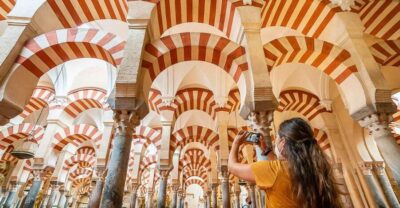
Skip-the-Ticket-Line Mosque-Cathedral Guided Tour
Read our review →
Cathedral, Giralda, and Royal Alcázar Guided Tour
Read our review →
Cathedral, Giralda & Alcazar Entry With Guided Tour
Read our review →Priority Access Cathedral, Giralda & Alcázar Tour
Read our review →
Cordoba Mosque-Cathedral: Skip-the-Line Guided Tour
Read our review →
Alcázar and Cathedral Entry Ticket and Guided Tour
Read our review →