Rated · TOURS
Complete Triana Tour “Corrales included”
Triana al Completo is interesting because it gives you a tight guided loop through one of Seville’s most self contained neighborhoods, including the gorgeous churches and the workaday corners people actually use. I like that it packs a full Triana story into about 2 hours, and I also love the mix of sights, from the river and bridges to ceramic workshops and flamenco references. One drawback to consider: it is a guided walk, and if your guide does not show up, you lose the whole plan, so it helps to arrive early and check in.
What makes this route feel different is the way it connects art, craft, and belief. You walk by major landmarks like the Dominican Convent of San Jacinto and the churches around Santa Ana, and you also hear about Triana’s traditions, including patios, religious brotherhoods, and the neighborhood’s ceramic identity. The pacing is quick, each stop is short, so you will want comfortable shoes and the willingness to move.
Key highlights to notice before you go
- Two hour format, many stops: you will see a lot fast, not a slow sightseeing day.
- Triana’s craft focus: ceramic history and workshops come up more than once.
- San Jacinto and Santa Ana church area: faith, legends, and darker plague era context are part of the story.
- Flamenco and the hands on culture angle: statues and references tie music and dance to street life.
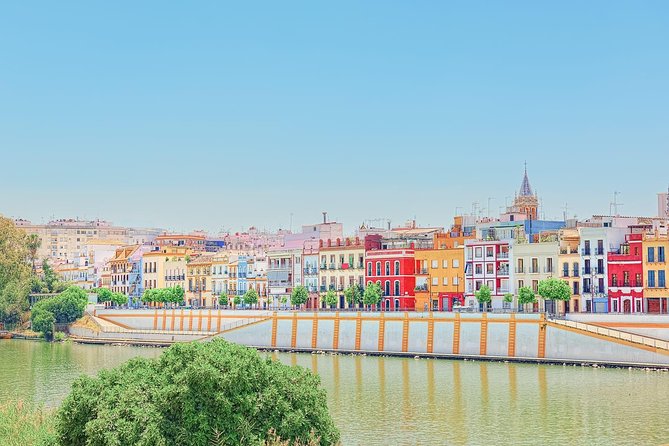
- River and bridge views: the route uses the water for great photo angles.
- A real market finish: you end in the Mercado de Triana area, where food feels practical.
Triana in one guided loop: what the two hour format really means
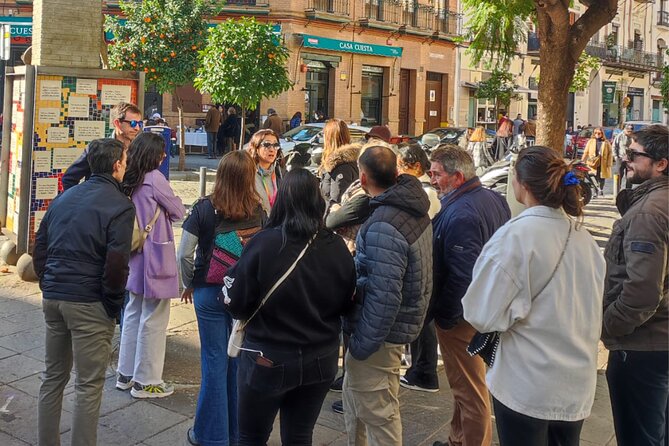
This tour is built like a highlight reel, but with enough context to make the stops connect. Expect a steady walking pace, with short time at each point, the kind of rhythm that works best when you want orientation plus strong cultural anchors in one outing.
At this length, you are not meant to linger in every church or pay for every interior space. Instead, the guide points out why each place matters, and you can decide later what to revisit on your own time.
Also, the group size caps at 30, so it is not a giant crowd stampede. That said, it is still a group walk, so the tour moves when the group moves.
More of Seville worth an open tab:
- Seville: Live Flamenco Dancing Show Ticket at the Theater
★ 4.7 · 16,396 reviews - Seville: 1-Hour Guadalquivir River Sightseeing Eco Cruise
★ 4.2 · 10,281 reviews - Seville: Cathedral, Giralda, and Royal Alcázar Guided Tour
★ 4.7 · 9,165 reviews
From Puente de Isabel II to Torre del Oro: your starting street plan
Your meeting point is in the area of Puente de Isabel II, near the Monumento al Arte Flamenco, and the first stop is right by the Gold Tower (Torre del Oro). In practical terms, this is ideal because you are starting in the bridge zone where the river views and the Triana entry points all line up.
You will cross into Triana themes quickly. The route begins with the river edge and then starts peeling back the neighborhood layer by layer, so you get a feeling for where Triana starts, where it turns inward, and how it differs from the rest of Seville.
One more practical note: the tour uses a mobile ticket, so keep your confirmation handy on your phone. It is a small thing, but it saves time right when you are meeting a group.
Torre del Oro, the Gold Tower: views, defense, and one ticket choice
Torre del Oro is one of those places that feels made for a quick stop. It served as a defensive bulwark and a beacon, and you get that mix of function and beauty right away.
The best value moment here is the viewpoint logic. Even if you only take a few minutes, you understand why this spot was chosen for signaling and control. The guide’s explanation makes the tower feel less like a postcard and more like a key piece of how Seville watched the river.
Important for your budget: admission for Torre del Oro is not included. You can still enjoy the exterior and the panorama angle, but if you want inside access, plan an extra ticket cost. At this price point, skipping the interior is completely reasonable.
Puente de San Telmo and the river story: Seville to Triana in a few minutes
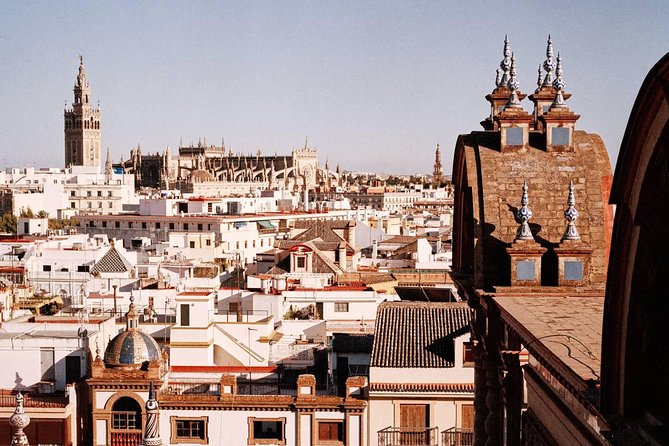
After the Gold Tower, the tour walks to the Puente de San Telmo area, and the emphasis is on views. This is a smart move, because it gives you a visual map before the route gets more detailed and neighborhood focused.
Bridges are more than photo stops here. They reinforce the idea that Triana is closely tied to Seville, but not the same place, and the guide uses the crossings to explain the neighborhood boundary in a way that is easy to remember.
Still around Seville, a different sort of day:
- Seville: Setas de Sevilla Entry Ticket
★ 4.6 · 8,901 reviews - Seville: Cathedral, Giralda & Alcazar Entry With Guided Tour
★ 4.6 · 8,560 reviews - Seville: Priority Access Cathedral, Giralda & Alcázar Tour
★ 4.8 · 7,563 reviews - Seville: Guadalquivir River Cruise
★ 3.9 · 6,921 reviews
Milla Cero de la Tierra and Calle Betis: why these points matter
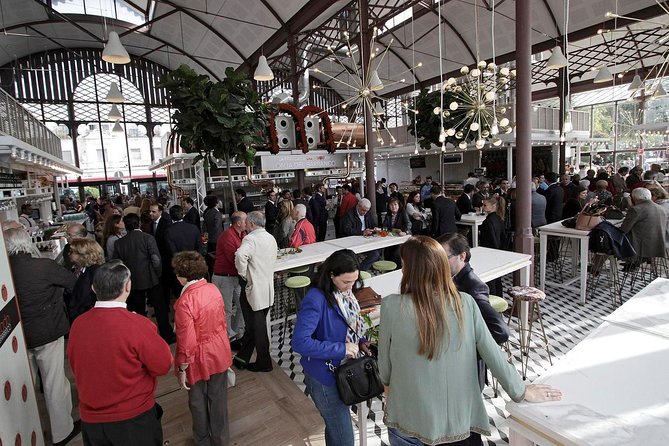
A standout stop is the Monumento Milla Cero de la Tierra. It honors the first round the world and marks the so called Zero Mile connection tied to those early departures. Even if you are not a history buff, this is the kind of marker that helps you connect Seville to big world events.
Nearby you also hear about the April Fair and its history, which makes the monument feel less random. You are basically learning how Seville celebrates itself, and Triana’s place in that identity.
Then the route hits Calle Betis, a street that helps you understand why Triana developed its own weight in local history. You do not just look at buildings, you start understanding the neighborhood as a community with its own rhythm.
Calle Troya and El Embarcadero: Cervantes and Carmen at the port
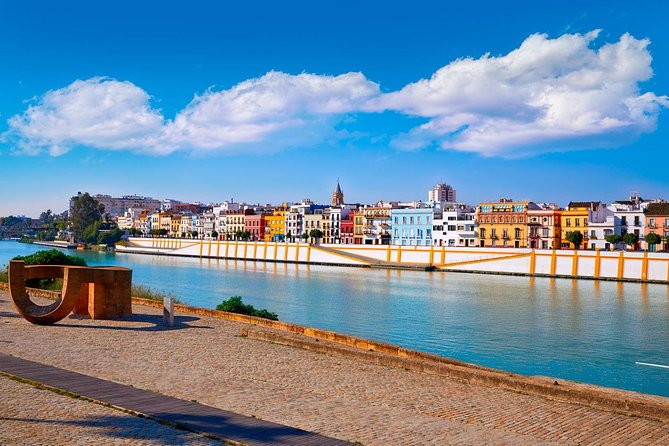
Two stops that add story flavor are Calle Troya and El Embarcadero.
At Calle Troya, the tour brings in the author angle. You will hear that Miguel de Cervantes lived in Seville for a while and that there is a specific place here linked to inspiration. For me, that kind of detail is what makes a walking tour feel worth the money. You are not just watching architecture, you are building a mental connection between people and streets.
Then comes El Embarcadero, the ancient port edge of Triana. This is where the tour leans into myth and cultural memory. The guide connects the jetty with Carmen and the tobacco workers who left to work in Seville’s Tobacco Factory, turning a famous legend into a real geography lesson. It also helps you understand why the neighborhood has long been tied to movement, work, and stories by the water.
Puente de Triana (Isabel II) and the patios idea: seeing Triana’s inner life
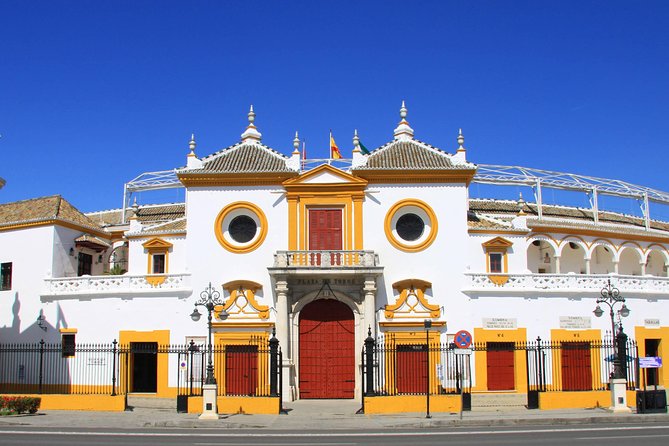
You cross at Puente de Isabel II, also known as the Puente de Triana, and the tour notes a specific engineering brag: it is the oldest preserved iron bridge in Spain, built in 1852. That small fact is more useful than it seems. It helps you notice how Triana’s modern era and old river identity overlap.
From there, the route shifts inward toward Triana’s living style. The tour references the neighborhood’s patios tradition, saying that there used to be more than 100 and today about 15 remain. Even in a short stop, this frames why the neighborhood feels different when you walk it: there is a courtyard culture at work, not only street life.
Plazuela de Santa Ana and the Santa Ana church area: corners with legends

Plazuela de Santa Ana is the kind of square that makes you slow down for a moment, even when the tour schedule does not. The explanation ties the place to the former Flemish community and turns a small open spot into a historical meeting point.
Next is the Real Parroquia de Señora Santa Ana, which the tour describes as an ancient church linked with Gypsies Trianeros, along with legends. Whether you know the background before you arrive or not, the value here is that you learn which communities were tied to this center of Triana and how stories lived in real buildings.
Capilla de los Marineros: Hope of Triana and the brotherhood touch
Then you get to the Capilla de los Marineros. The tour emphasizes that Triana has multiple religious brotherhoods or sororities, and you can enter one of them. The chapel of the sailors includes the image of the Hope of Triana, which is described as unique for several reasons the guide explains on the spot.
This is one of the moments where the tour is at its best for people who like human scale religion. You are not just seeing a monument, you are getting the local meaning attached to it through the brotherhood tradition.
San Jacinto Dominican Convent: plague era gravity without theatrics
A more serious stop is the Parroquia de San Jacinto (Dominicos), the former Dominican Convent of San Jacinto. The tour connects the convent area to an old hospital, and it adds a heavy detail: the surrounding area served as a mass grave during a plague epidemic.
This is not presented as shock value, it is part of how you learn Triana’s full story, including the times when life here was not romantic. If you are sensitive to death related history, give yourself a minute before you enter the space emotionally, but do not skip it. It is one of the reasons the tour feels more than a photo route.
San Jacinto pedestrian street: where the guide switches from history to you
The route then lands on San Jacinto peatonal, described as the busiest street in Triana. The practical angle is clear: this is where you go to grab a drink and feel the neighborhood energy.
One of the more surprising details is tied to the Hispano Aviación factory. The tour mentions that the first Spanish reactor was made there, connecting a 20th century engineering moment to a very street level neighborhood walk. It is a reminder that Triana is not only old churches and ceramics, it also connects to modern industry stories.
Next you continue through Calle San Jacinto, where you see old courtyards, tiled facades, crowds, and bars. This stretch is about giving you the street texture, so you can picture what daily life looks like when the tour is over.
Hermandad de la Estrella, Capilla Virgen del Carmen, and a bullfighter moment
You also pass Hermandad de la Estrella, the star brotherhood chapel, tied to the patron saint of former shippers of the port. The tour uses this to explain the role of religiosity in daily life back in the 16th and 17th centuries. It gives you a lens for why these chapels and brotherhoods are so prominent in Triana.
Then you reach Capilla Virgen del Carmen, described as one of the last works of architect Aníbal González, known for shaping Seville’s look and also for the Plaza de España connection to the 1929 universal exhibition. That adds a city wide architectural thread to an otherwise neighborhood centered walk.
You will also see Monumento a Juan Belmonte, bringing bullfighting into the Triana story. Even though bullfighting is a complicated subject, seeing the monument in context helps you understand why the neighborhood remembers its sporting heroes alongside its artisans and religious figures.
Monumento Triana al Arte Flamenco and the market finish you can smell
A key cultural pivot is the Monumento Triana al Arte Flamenco, a tribute tied to singing, dancing, guitar, and palms. The tour notes that flamenco is an Intangible Cultural Heritage of Humanity, and the point is simple: this is a living tradition, not something locked behind museum glass.
After that, you reach Mercado de Triana. This is where the tour earns its keep for food lovers. The market stop is framed as a chance to feel Triana gastronomy in motion, not just look at stalls from the edge. If you want to continue later, this is a great spot to do it because the market area is a natural anchor.
The tour also promises you tips on the best tapas in the neighborhood. Since the guide knows the route and the timing, you get recommendations that fit the parts of Triana you just walked through, not random restaurant names.
San Jorge Castle, Royal Almonas Almohades soap tunnels, and why persecution shows up here
As the route turns toward craft and darker past chapters, you reach the Castillo de San Jorge. The tour links it to persecution and the Inquisition, specifically saying that the Catholic Monarchs created the Inquisition in this castle.
Then you hear about the tunnels of the Royal Almonas Almohades, tied to the famous soap story. The tour describes it as the most popular soap in Europe and America. Even if you do not remember that exact comparison afterward, the big takeaway is that Triana has hidden layers under daily life, from tunnels to production stories.
This pairing, castle trauma and soap tunnels, might seem like a strange jump, but that is Triana’s real texture. Places that dealt with power and places that dealt with everyday making both exist within walking distance.
Calle San Jorge and Centro Ceramica Triana: where craft becomes the main character
Next comes Calle San Jorge, where the tour explains that some courtyards once held large furnaces of the neighborhood, and that small ceramic workshops may still survive. That is a useful framing because it explains why Triana ceramics matter.
Then you visit Centro Ceramica Triana, a ceramics museum that you cannot skip if ceramics are part of your travel interests. Even as a short stop, it gives you enough context to walk away with names, styles, and an understanding of why this neighborhood earned its reputation.
If you like souvenirs, this is the part of the day where buying makes sense. You see the reason behind the craft, and you can spot better quality than you might in a tourist shop.
Isla de la Cartuja and Pages del Corro: yesterday, today, and what comes next
The final part references Isla de la Cartuja, presenting it as Triana’s evolution. The tour connects Calle Pages del Corro as yesterday’s Triana, today’s Triana, and tomorrow’s Triana, which is basically a way of saying the neighborhood keeps changing while keeping its identity.
This is also why the tour ends near the Triana market area. After walking through history, craft, and belief, you finish where the present is easy to feel, with food and everyday street life right there.
Guides, pacing, and the one thing to watch for
A big reason this tour lands well is the guidance style. One of the strongest pieces of feedback centers on a guide named Jose, described as friendly and especially good at explaining things in a way that makes two hours feel short. That matches how this route is designed. It is fast, and you need someone to keep the story clear while the group moves.
There is also a cautionary note in the overall feedback: one report says the guide did not show up and the group was left waiting without explanation. I cannot predict what will happen on your date, but I do think it is smart to arrive early, confirm you are in the right meeting spot, and have a backup plan for your afternoon in case timing slips.
Price and ticket reality, including what costs extra
At $9.49 per person for about two hours, this is good value because you get a tight guided route with a lot of cultural stops. The tour includes a mix of points where entry is not needed, plus at least one stop tied to a ticket and one stop with inclusion called out.
Here is the clear ticket takeaway from the tour details:
- Torre del Oro admission is not included (5 minutes stop time, but you decide whether to pay to go in).
- Monumento Milla Cero de la Tierra admission is included.
Everything else listed is marked as admission ticket free, so most of your costs beyond the tour price should stay low unless you choose to pay for an interior visit.
Who should book this Triana tour, and who might prefer something else
Book this if you want:
- A guided Triana orientation in a short time.
- A day where churches, brotherhoods, and craft are part of the same story.
- Food planning that starts with the market and ends with tapas ideas.
You might skip or choose another option if:
- You want slow, sit down sightseeing with lots of interior time.
- You dislike heavier historical context, since the Dominican San Jacinto area includes plague era information and the Inquisition is part of the castle story.
It is suitable for most travelers, and service animals are allowed. It also notes that you should plan for good weather, since it is an outdoor walking route.
Should you book this Complete Triana Tour with Corrales included?
Yes, I think you should book it if you are staying in Seville long enough to want one smart, focused outing in Triana. The price is low for the amount of ground covered, and the route is built around what makes Triana different: ceramics, brotherhood chapels, patios and courtyards, river bridges, and flamenco references.
Two final tips to make it work for you:
- Wear shoes you can walk in for two hours straight, because the stop times are short.
- Come with a light hunger, so the Mercado de Triana ending feels like the natural payoff, not an afterthought.
If your goal is a quick Triana story you can build on later, this tour fits that mission well.
FAQ
How long is the Triana tour?
It lasts about 2 hours.
What does the tour cost?
The price is $9.49 per person.
Is admission included for every stop?
Not all stops. The Torre del Oro admission ticket is not included, while the Monumento Milla Cero de la Tierra is included. Other listed stops are marked as free.
Where do I meet and where does the tour end?
The tour starts near the Monumento al Arte Flamenco on Puente de Isabel II area, and it ends at C. Arfian 13 in the Triana Market area.
Is there a mobile ticket?
Yes, the tour uses a mobile ticket.
Is it weather dependent and are service animals allowed?
The experience requires good weather, and service animals are allowed.
Recently reviewed around Seville
- The Villages of Andalusia: Full-Day Trip from Seville★ 4.8 · 19 reviews
- From Seville: White Villages Tour★ 5.0 · 9 reviews
- White Villages and Ronda: Day Trip from Seville★ 4.9 · 89 reviews
- White Villages & Ronda 2-Days Trip & Overnight Stay★ 4.6 · 5 reviews
- Seville: Guided visit of the Casa de Pilatos with entrance tickets★ 4.3 · 18 reviews
- Triana Market Tapas Tour★ 4.9 · 12 reviews
- Your Photo Story in Seville★ 5.0 · 16 reviews
- Transfer Hotel Seville-Seville Airport★ 4.5 · 15 reviews
Tours, side by side.
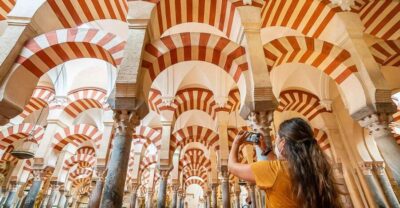
Skip-the-Ticket-Line Mosque-Cathedral Guided Tour
Read our review →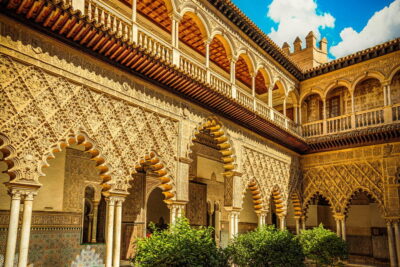
Cathedral, Giralda, and Royal Alcázar Guided Tour
Read our review →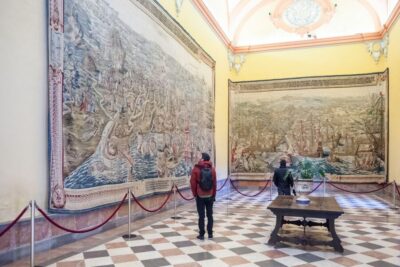
Cathedral, Giralda & Alcazar Entry With Guided Tour
Read our review →Priority Access Cathedral, Giralda & Alcázar Tour
Read our review →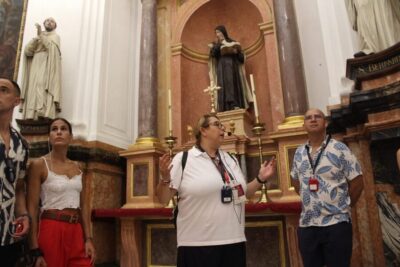
Cordoba Mosque-Cathedral: Skip-the-Line Guided Tour
Read our review →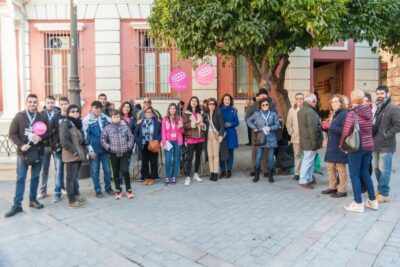
Alcázar and Cathedral Entry Ticket and Guided Tour
Read our review →