
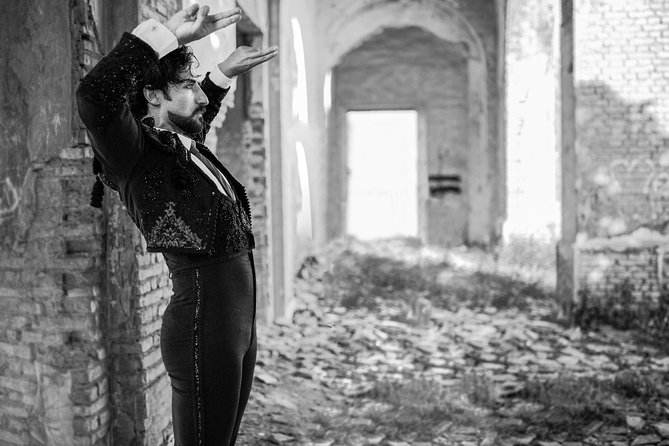
Rated · FLAMENCO SHOWS
Flamenco Dance Masterclass
Flamenco is one of those things that sounds complicated, but this Seville masterclass makes it feel learnable. You get a hands-on start in the home of flamenco, and the class is built to get your body moving fast, even if you have two left feet.
Two things I especially like: the structured beginner choreography (short, clear, and doable), and the fact that you work on flamenco fundamentals like palmas, footwork, and arm plus body movement, not just random steps. The studio setup helps too, with mirrors, a solid sound system, and a professional wooden floor.
One thing to consider: it’s about learning, not performing for an audience. You’ll get a taste and a mini routine in roughly one hour, so if you want a long deep training session, you might need multiple lessons.
Key takeaways before you go
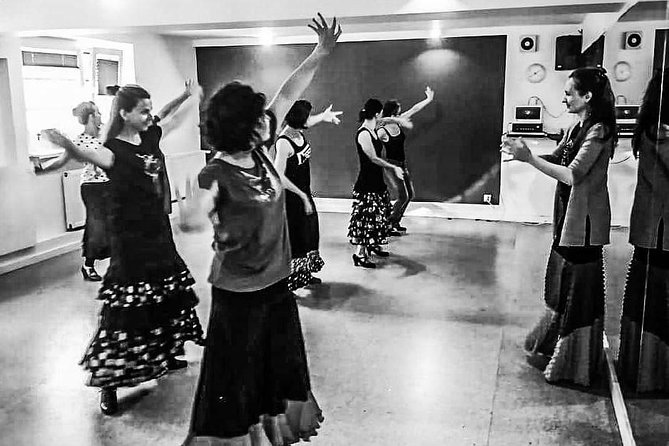
- Seville flamenco, taught with a beginner-first plan that ends in a short routine you can actually run
- Palmas, footwork, and arm plus body language taught as core technique, not as trivia
- Professional studio tools like mirrors and a wooden floor to help you correct and learn faster
- Small group size (max 15) so you get real coaching cues
- Photo time with flamenco accessories at the end, plus the option to record the choreography
One Hour, Real Flamenco Feel: Why This Class Works in Seville
If you’ve ever watched flamenco and thought, I get the emotion, but how do people learn that? This is the class that answers that question in plain terms. You start with rhythm, then move into body mechanics, and you end by putting it together into a short choreography that feels like flamenco, not like a fitness class with Spanish music.
Seville helps, of course. But what makes this worthwhile is the way it’s taught. Instead of throwing everything at you at once, you practice the building blocks: the clapping pattern (palmas), the timing through footwork, and the arms plus torso movements that give flamenco its unmistakable silhouette. That last part matters more than people expect. Flamenco isn’t only steps, it’s the angle of your arms and the attitude your body carries.
A key detail: the classes are offered in English and Spanish, and the teaching style gets praised as patient and encouraging. In written notes tied to these sessions, instructors such as Eliza (and also Diaz are mentioned) show up as standouts for clear instruction and calm correction. That combination, technique plus kindness, is exactly what you want when your goal is to learn something you can repeat later.
More flamenco shows in Seville:
- Seville: Live Flamenco Dancing Show Ticket at the Theater
★ 4.7 · 16,396 reviews - Seville: Puro Flamenco Show with Optional Museum Ticket
★ 4.8 · 6,088 reviews - Seville: Live Flamenco Show at “Teatro Flamenco Triana”
★ 4.6 · 3,290 reviews
Where You Meet in the Casco Antiguo (C. Castellar, 52a)
The meeting point is in Seville’s historic center, in the Casco Antiguo, at C. Castellar, 52a, local 26. You’ll start there and the activity ends back at the same place.
Why I like this for practical travel days: you can slot it in without needing a long commute across town. It’s also described as near public transportation, which helps if you’re pairing it with other evening plans like a flamenco show.
Tip: arrive a few minutes early. In a dance class, being on time means you’re not rushing into shoes, adjusting posture, and trying to learn timing while the room is already getting going.
Inside the Studio: What the Room Means for Your Learning
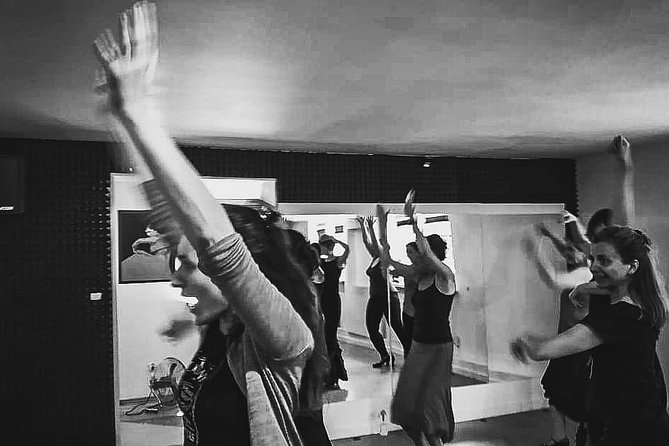
This isn’t a random rehearsal space. The class takes place in a bright, spacious dance studio with a professional wooden floor, mirrors, and a sound system.
Those details sound basic, but they matter:
- Wooden floor is safer and more comfortable for footwork practice than rough surfaces.
- Mirrors let you check the shape of your arms, the position of your hands, and how your body rotates. You don’t have to guess.
- Sound system matters for timing. Flamenco is rhythm-driven, and you need consistent beats to learn palmas and foot accents.
Also, with a max group size of 15, the room can stay focused. You’re not just watching the teacher from the corner. You’re actively learning alongside others, which keeps the energy up and the correction direct.
Step 1: Origins and Core Elements, Explained Simply
The class begins with a brief introduction to the origins of flamenco and its main elements. You don’t need to know any background to enjoy this part, and you won’t feel stuck if you’re starting from zero.
I like that they frame flamenco as a system of components. That makes the dancing less mysterious. When you later learn palmas, footwork, and arm plus body movements, you can connect those actions to what you heard in the intro.
Another small win: several class notes mention that the instructor didn’t just teach steps, but also shared context about flamenco while working through the technique. That turns the class from a workout into something culturally grounded, without turning it into a lecture.
Still around Seville, a different sort of day:
- Seville: 1-Hour Guadalquivir River Sightseeing Eco Cruise
★ 4.2 · 10,281 reviews - Seville: Cathedral, Giralda, and Royal Alcázar Guided Tour
★ 4.7 · 9,165 reviews - Seville: Setas de Sevilla Entry Ticket
★ 4.6 · 8,901 reviews - Seville: Cathedral, Giralda & Alcazar Entry With Guided Tour
★ 4.6 · 8,560 reviews
Step 2: Palmas First, Because Rhythm Is the Engine
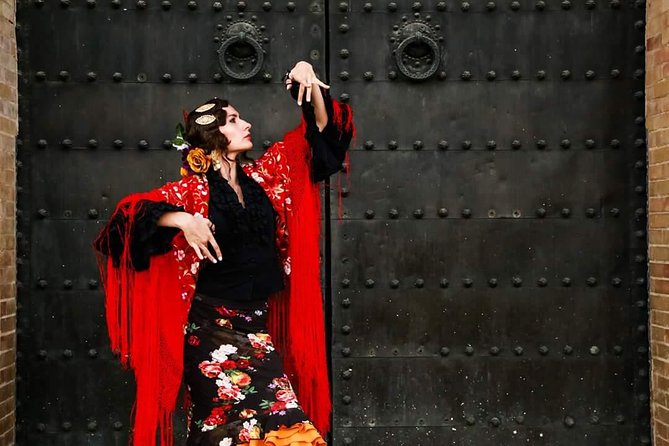
Then comes the heart of flamenco basics: palmas, hand clapping patterns that anchor the rhythm. For beginners, this is often the hardest part at first. Your natural instinct is to clap on the beat you feel most strongly. Flamenco asks you to clap with precision and intention.
What you’ll do here is practice palmas as the foundation. The teacher breaks it down so you can learn the pattern, then you repeat until your timing starts to click. Even if you don’t nail it instantly, the class keeps you moving forward because palmas are the engine for everything else that follows.
I also like that this section is included early. If you start with arms and feet only, you can end up memorizing movement without understanding rhythm. Starting with palmas helps you feel how the dance is organized.
Step 3: Footwork, Arms, and Body Movement (The Flamenco Shape)
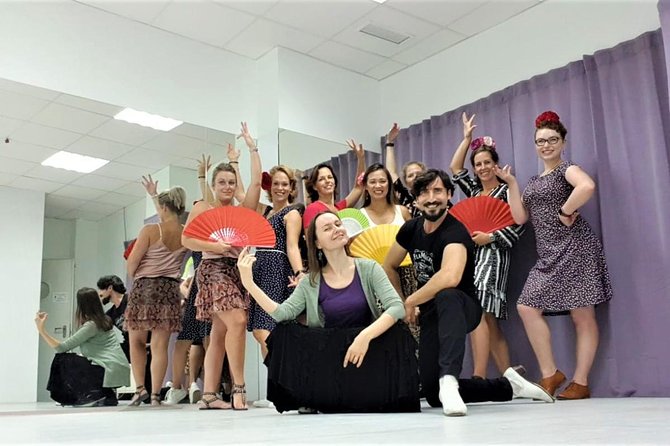
Once rhythm is underway, you move into basic footwork and traditional arm and body movements. This is where flamenco starts to look like flamenco.
Expect to work on:
- foot accents and how your weight transfers
- arm positions and movement style
- body control, including posture and how your torso and head complement the steps
Because the studio has mirrors, you can self-check quickly. You’ll also benefit from a patient teaching approach. In the notes tied to these classes, instructors are repeatedly described as helpful and tuned in to beginners, especially when someone needs the teacher to slow down and explain the mechanics.
If you’ve been to dance classes before, you may notice the difference right away: this is about styling and timing, not only choreography memory.
Step 4: A Short Choreography You Can Actually Do
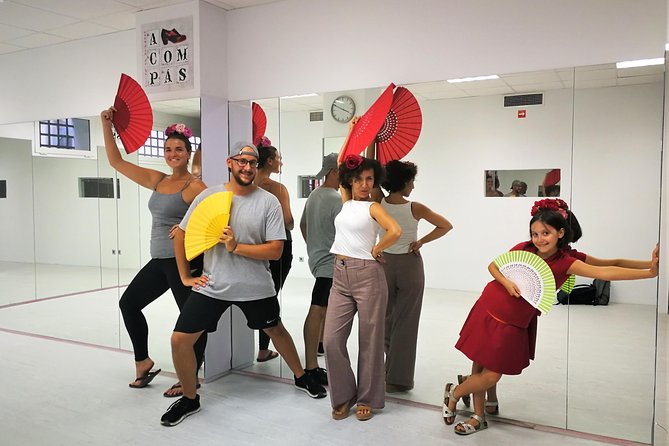
After you learn the pieces, everything comes together in a short, easy-to-follow choreography full of energy. This is the part that separates a beginner class from a beginner disappointment.
A lot of dance experiences fail when they try to hand you a full routine that’s too long. Here, the choreography is designed for first-timers. That means you get the satisfaction of learning something you can perform, not just struggle through.
You practice until the sequence starts to feel connected: palmas cue the rhythm, footwork lands in the right places, and arms plus body shape the look. The result is a small routine that feels like flamenco from the inside, not a watered-down imitation.
And yes, you’ll get a way to remember it beyond just photos. The class includes the option to record the choreography at the end, so you can take your mini flamenco moment home.
End of Class: Photos with Flamenco Accessories and a Finished Routine
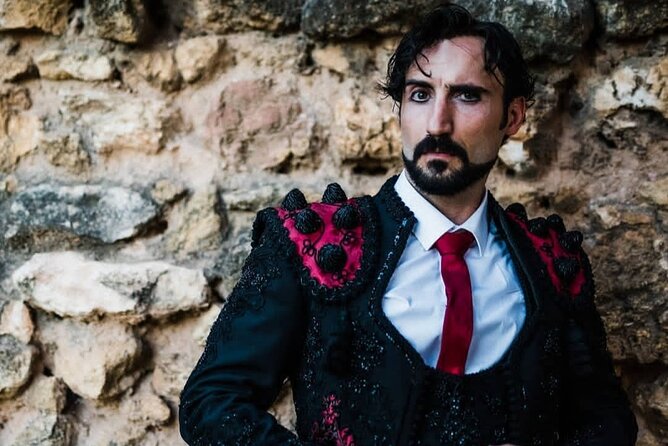
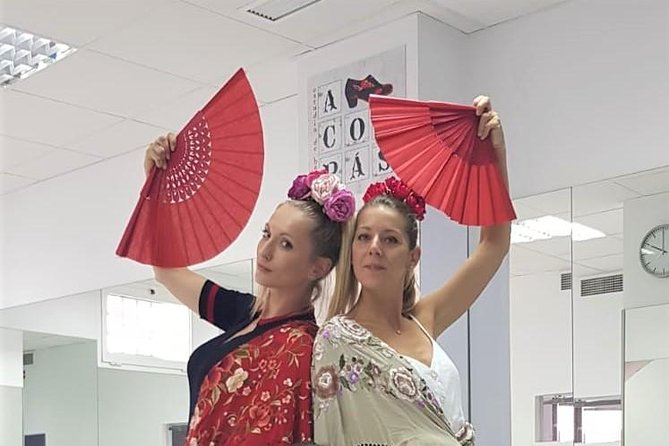
At the end of the class, you can pose for photos with flamenco accessories. It’s a fun, practical way to close out the experience, because you leave with something visual that matches what you practiced.
You’ll likely want to bring your best pose game, but also keep it comfortable. The goal is to celebrate your progress, not to turn the final minutes into a stress test.
From a value perspective, these wrap-up touches are smart. Many experiences teach you a thing, but they don’t help you document it. Here, the class encourages both photos and a recording of the choreography, so you can relive it later and share it easily.
Price and Value: Is $48.01 Worth One Hour?
At $48.01 per person for about an hour, you’re paying for more than a hobby lesson. You’re paying for structured teaching, a real studio setup, and time with an instructor focused on beginners learning real flamenco basics.
Here’s what makes it good value:
- Professional space with mirrors, sound, and a wooden floor that supports footwork practice
- Small group size (max 15), which generally means better attention and fewer people to compete with for cues
- A clear arc: rhythm, movement components, then an integrated mini routine
- Photos plus recording option, so you walk away with real memories, not just knowledge
- Teaching in English (and Spanish), which matters because it reduces friction and helps you pick up details correctly
The tradeoff is also obvious: it’s still only an hour. You’ll learn a short choreography and basics, not become a flamenco dancer by dinner. If your goal is performance-level skill, you’ll likely want follow-up classes or more time with private coaching. But for travelers wanting an authentic Seville experience that doesn’t require dance training, it’s strong value.
Who This Masterclass Suits Best
This is a great fit if you:
- are a complete beginner and want a structured start
- want a fun activity that still feels culturally connected
- enjoy hands-on learning more than watching from the sidelines
- want a small-group class rather than a giant group tour
It’s also a nice choice for friends. One class note mentioned a hen party setup, which makes sense because the room is social, the teaching style supports varied skill levels, and the accessories plus photos turn it into a shared moment.
Families can work too. Notes mention a family experience with kids around 12 and 14. If your group includes younger teens, a beginner class with a patient instructor is usually more successful than a long, advanced workshop.
If you hate being watched in mirrors, you might find the studio setup a little intense at first. But in a good way. Mirrors are how you improve quickly, and the class is short enough that any awkwardness fades fast.
Pair It with a Real Flamenco Night
This kind of class changes how you watch flamenco later. After you practice palmas and see how the arms and body create the look, a live show tends to feel more connected. You notice the rhythm choices. You recognize the movement logic. And you’re less likely to feel lost.
If you’re planning a flamenco performance that same day or night, consider booking this class earlier. You’ll get more from the show because you have a vocabulary for what you’re seeing.
Should You Book It?
Book it if you want a beginner-friendly flamenco experience in Seville that actually teaches you technique and ends with a mini choreography you can record. The combination of professional studio setup, small group size, and lessons aimed at first-timers makes it a smart use of time.
Skip it only if your main goal is advanced training, or if you strongly dislike the idea of practicing movement in a class setting with mirrors and direct correction.
One more practical note: there is free cancellation with refunds available if you cancel up to 24 hours before the start time, so you can book with some breathing room if your schedule is still shifting.
If you’re trying to add one hands-on cultural activity to your Seville days, this flamenco masterclass is a solid choice. It’s short, it’s structured, and it gives you something to do, not just something to observe.
Recently reviewed around Seville
- The Villages of Andalusia: Full-Day Trip from Seville★ 4.8 · 19 reviews
- From Seville: White Villages Tour★ 5.0 · 9 reviews
- White Villages and Ronda: Day Trip from Seville★ 4.9 · 89 reviews
- White Villages & Ronda 2-Days Trip & Overnight Stay★ 4.6 · 5 reviews
- Seville: Guided visit of the Casa de Pilatos with entrance tickets★ 4.3 · 18 reviews
- Triana Market Tapas Tour★ 4.9 · 12 reviews
- Your Photo Story in Seville★ 5.0 · 16 reviews
- Transfer Hotel Seville-Seville Airport★ 4.5 · 15 reviews
Flamenco Shows, side by side.
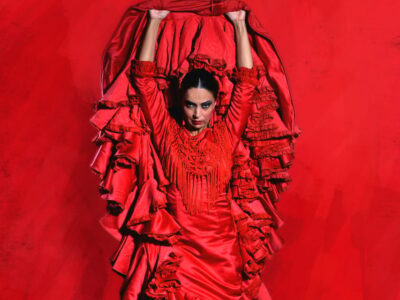
Live Flamenco Dancing Show Ticket at the Theater
Read our review →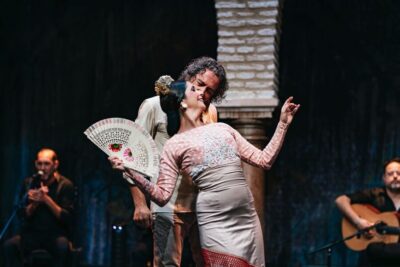
Puro Flamenco Show with Optional Museum Ticket
Read our review →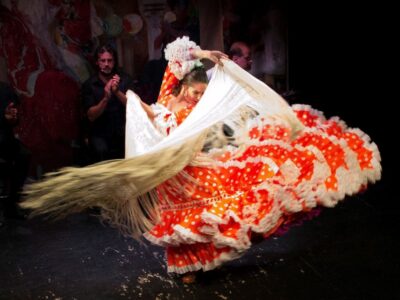
Live Flamenco Show at “Teatro Flamenco Triana”
Read our review →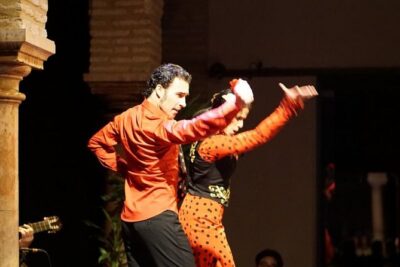
Flamenco Show Ticket at Tablao Flamenco Las Setas
Read our review →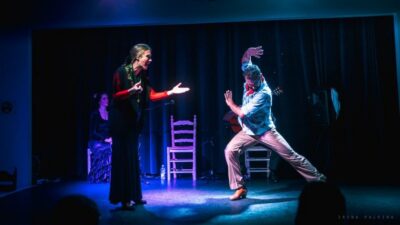
Authentic Flamenco Show with Tapas & Wine Guided Tour
Read our review →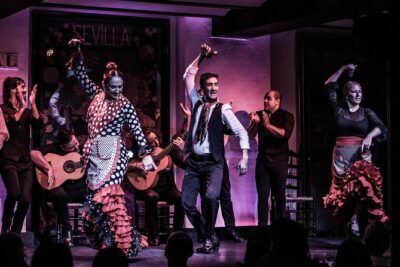
Flamenco Show at Tablao El Arenal with Drink and Optional Dinner or Tapas
Read our review →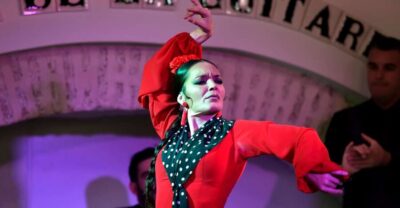
Ticket to Flamenco Show at La Casa de la Guitarra
Read our review →Also filed under