
Rated · DOÑANA NATIONAL PARK TOURS
El Rocío: Doñana National Park 4×4 Guided Tour
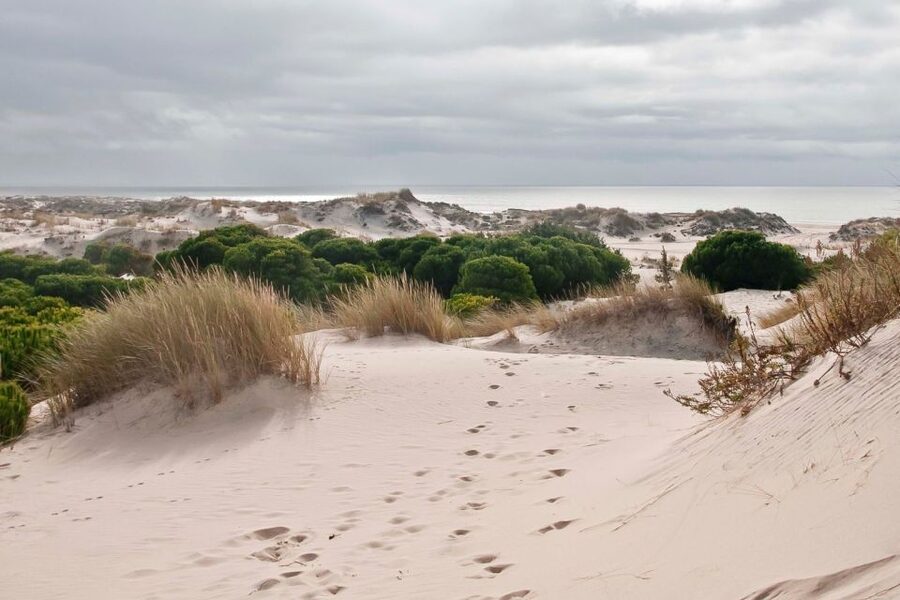
Doñana can feel big and untouchable from the road, so I love this kind of experience where you get 4×4 access into protected territory and actually move through the park’s different habitats. In about half a day, you get marsh views, pine forest atmosphere, cork oak country, and the chance to scan for birds and large mammals from a distance.
Two things I especially like: you’re not stuck at one scenic pull-off, you’re guided through multiple ecosystems like Marisma de Hinojos and the pine and cork areas around Coto del Rey and Matasgordas. And the guiding can be genuinely excellent, including fast, friendly Spanish with strong explanation from guides like José, who several groups praised for doing a great job with details and communication.
One possible drawback to factor in: cameras are not allowed, and the vehicle type can vary. If you’re hoping for a very open, bird-watching friendly setup, you may want to set expectations carefully.
Key highlights worth getting excited about
- Northern Doñana access with entry into restricted areas, not just public viewpoints
- 4×4 transport all the way, plus short walking segments in key habitat zones
- Binoculars included, so you can actually work the bird spotting
- Multiple ecosystems in one outing, from pine forests to marshlands and cork oak groves
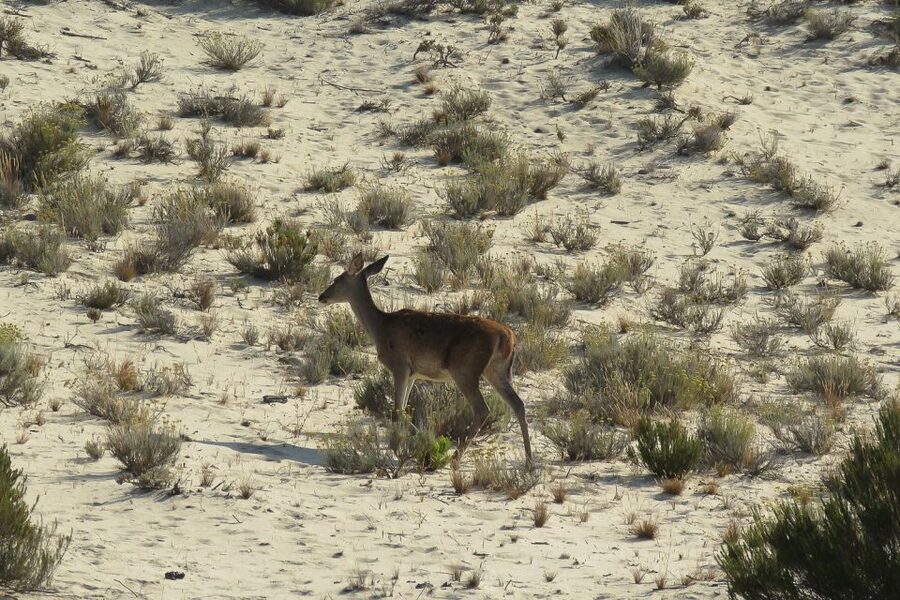
- Wildlife chances from a distance, including deer, wild boar, foxes, and Iberian lynx
- A stop at Jose Antonio Valverde Visitors’ Center, to connect what you see to the bigger story
Why this Doñana 4×4 outing feels more real than a viewpoint stop
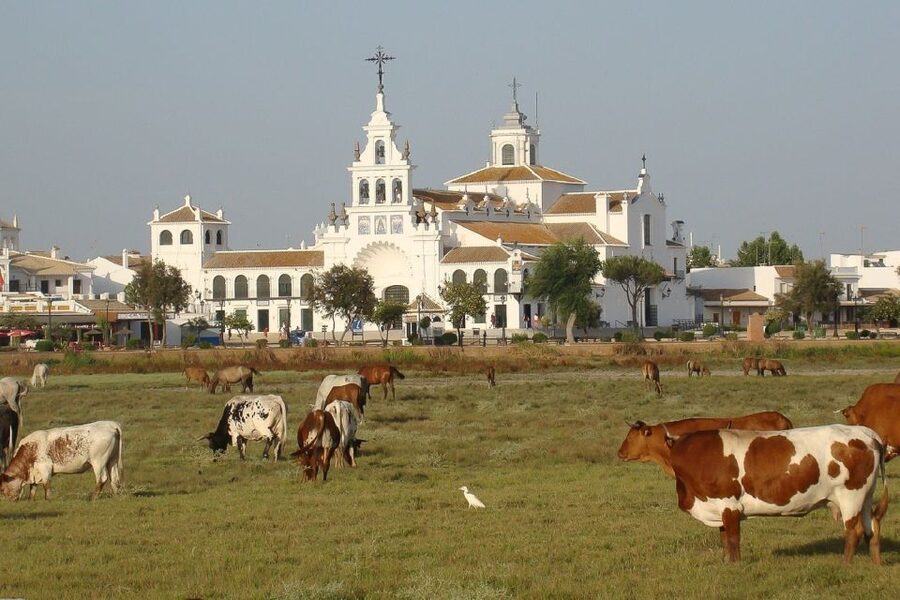
Doñana isn’t one thing. It changes as you move, and that’s exactly what this tour is set up to show you. You’ll go through marsh country, then into forested sections, then over to cork oak landscapes, so the day keeps re-setting your eyes. It’s a great way to understand why Doñana is famous, beyond the usual photos.
The 4×4 also matters. From the seats, you’re typically positioned to scan and track animals without being disruptive. You’re not chasing wildlife. You’re observing it, slowly, and learning what to look for, especially with the binoculars provided.
More Doñana National Park tours:
- From Seville: Doñana National Park Day Trip
★ 4.3 · 380 reviews - Donana National Park: Guided Day Tour from Seville
★ 4.5 · 372 reviews - Donana National Park and El Rocío: Guided Tour from Seville
★ 4.5 · 240 reviews
The animals and birdlife you’re actually trying to spot
This is a wildlife-focused outing, but the best way to enjoy it is to think in probabilities. You’re out there for chances, not guarantees. Still, the list of what the tour is aiming for is strong.
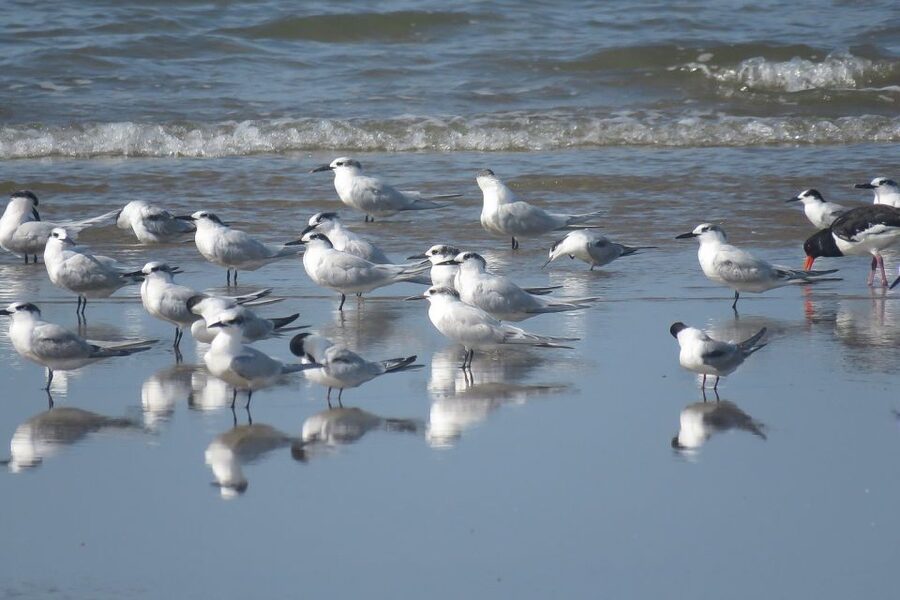
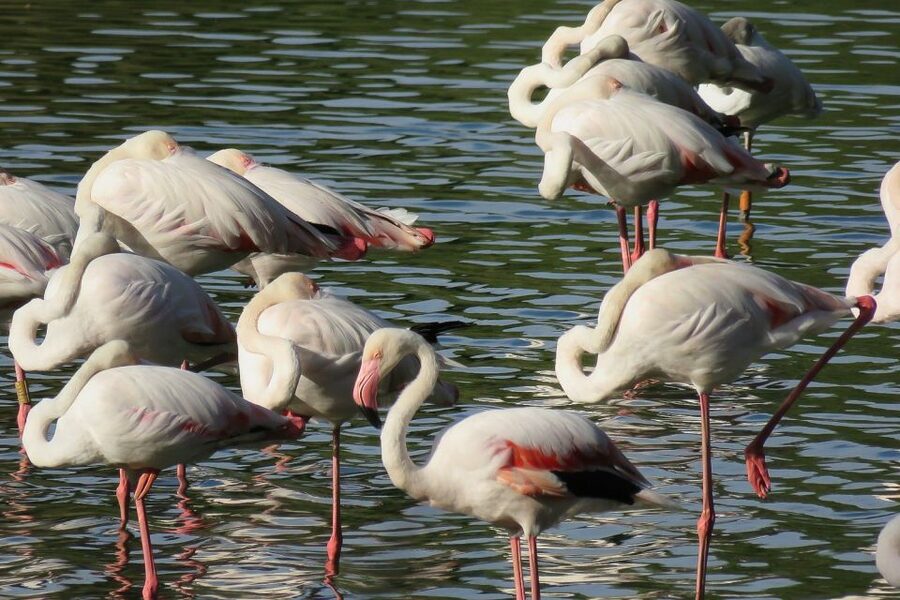
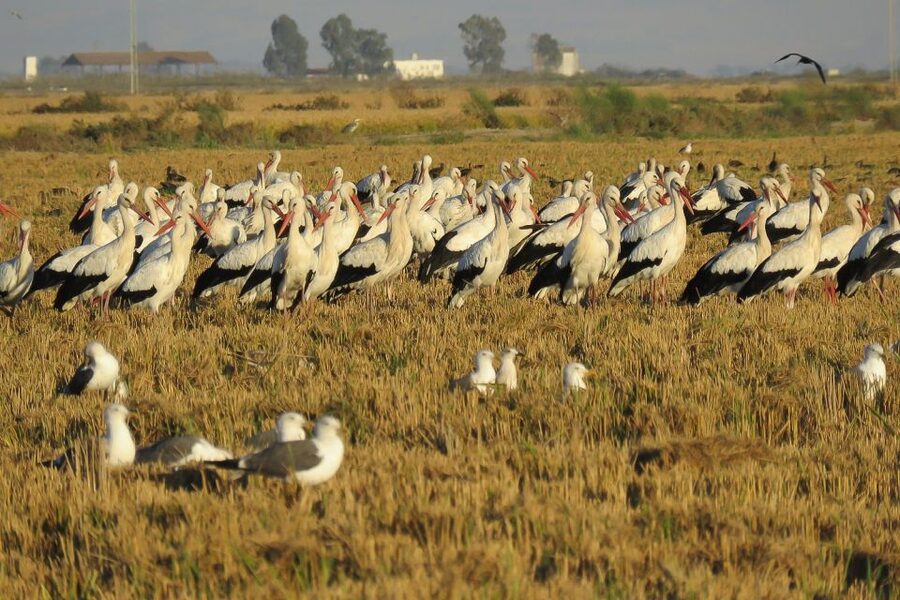
On the bird side, you’ll be watching for species tied to wetland habitat, including herons, cormorants, seagulls, and avocets. In marshland areas, birds often look busy even when they’re not flying, so the binocular time helps you notice movement and shape that you’d miss with the naked eye.
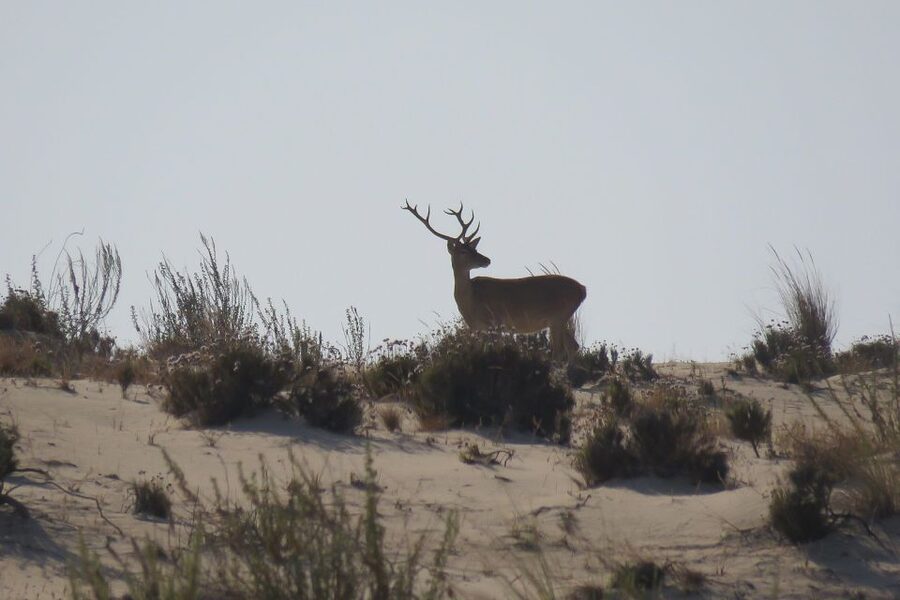
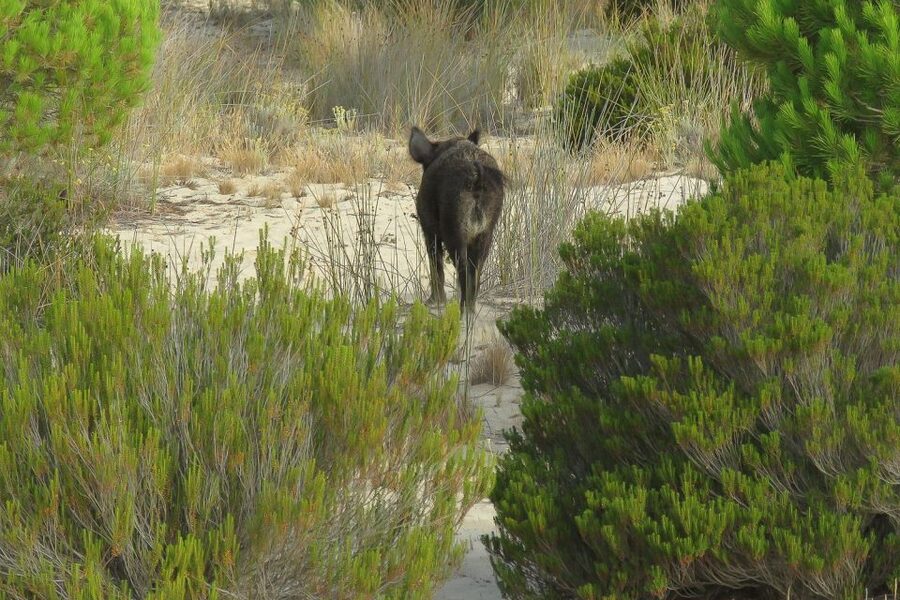
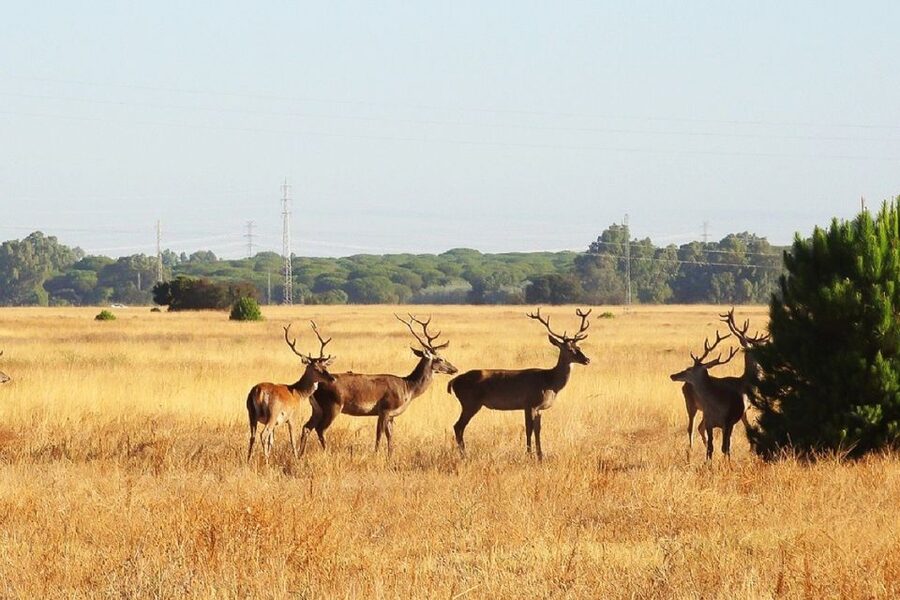
For mammals, you’re in good territory for sightings from a distance of deer, fallow deer, wild boars, and foxes. And yes, Doñana is one of the places where people hope to see the Iberian lynx, an animal the tour emphasizes as critically threatened and protected through conservation initiatives.
A practical tip: sit back, slow down your own movements, and let the guide’s cues work. Wildlife spotting is as much about patience as it is about where you are.
Coto del Rey, Matasgordas, and Hinojos: what each ecosystem adds to the day
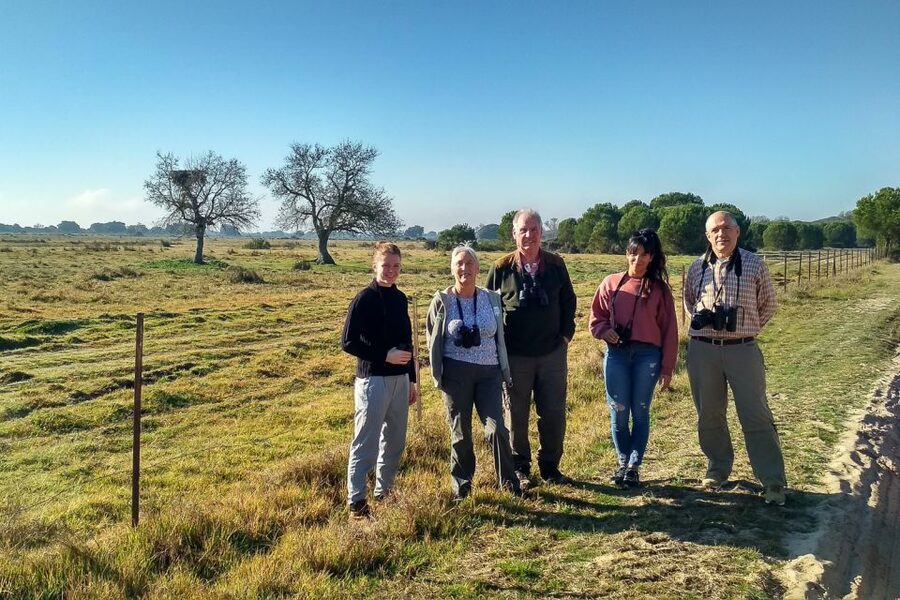
What makes Doñana so compelling is the mix of habitat. This tour gives you a handful of that mix in one go, so you can start recognizing how the park works like an ecosystem, not a single scenic place.
Pine forest mood at Coto del Rey
Coto del Rey is where you’ll feel the shift from open marsh to wooded cover. Expect a different kind of bird activity, and a different animal behavior, since forest edges and trees change what you can see and how animals move. Even when you don’t spot something instantly, this stop helps you learn how to read the environment.
Still around Doñana National Park, a different sort of day:
- Discover Doñana & Iberian Lynx: Premium Nature Tour
★ 4.3 · 97 reviews - Horseback riding around Doñana National Park
★ 5.0 · 89 reviews - From Seville: Doñana Natural Park, El Rocio and Matalascañas
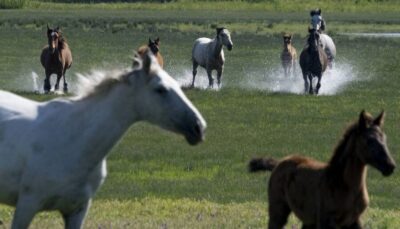
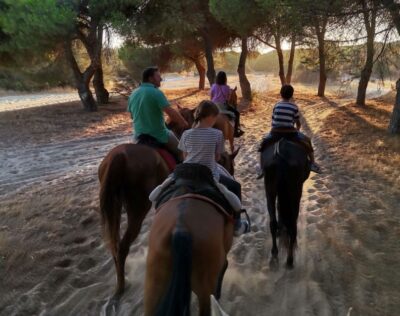
★ 4.1 · 45 reviews - El Rocío: Doñana National Park Horseback Riding Tour
★ 3.5 · 35 reviews
Cork oak character in Matasgordas
Cork oak groves have their own rhythm, and they’re important in Mediterranean park systems. In places like this, animals may be more subtle, with movement low to the ground or behind trunks. The value here is that you’re not just hunting sightings, you’re learning where sightings can happen.
Marshland focus at Marisma de Hinojos and Guadalquivir river habitat
This is the big wetland pull. Marisma de Hinojos is where the day turns into a bird-scanning session. Marshland habitats tend to concentrate birdlife, especially around water and feeding zones.
The tour also highlights that the marshes along the Guadalquivir river are a living system that supports birds and many other species. I like that the tour doesn’t treat wildlife like a lucky lottery ticket. It connects what you see to habitat, which makes your observations feel smarter.
The Jose Antonio Valverde Visitors’ Center stop, and why it’s more than a pause
A visitors’ center can go either way on tours. Sometimes it’s just a bathroom break. Here, it’s positioned as a way to connect the dots while the scenery is still fresh in your head.
You’ll visit the Jose Antonio Valverde Visitors’ Center at the Parque Nacional de Doñana. The practical benefit is that you can translate what you noticed in the field into a clearer picture of why the protected area is managed the way it is, and what threats and protection efforts matter, especially around iconic species like the Iberian lynx.
This is also where the day can slow down enough for you to ask questions and regroup. If you’ve been scanning the marsh and pine forest for hours, that context helps you leave with more than just a few blurry silhouettes.
Getting around: what the 4×4 ride is like, and the camera rule
Everything is done in 4×4 vehicles, but there’s an important detail you should know up front. The vehicle’s size and capacity may vary depending on the number of participants. On some days, you might not get the exact vehicle style you imagined.
Also, cameras are not allowed. That’s not a minor rule. If wildlife photography is your main goal, this tour may feel frustrating. I’d plan your expectations around watching and learning, not shooting images. Binoculars are included, which is the main substitute, but it’s not the same as a camera lens.
One more real-world consideration: for bird spotting, vehicle design matters. If you’re sitting in a more enclosed setup, you may find it harder to get a clear view for birds in flight or for quick scanning. I recommend you dress for visibility, not just comfort, and keep your attention on the guide’s sight lines.
How the Spanish guide experience usually lands, and how to make it work
The tour has a live tour guide in Spanish. That’s great if you speak the language, because Doñana details are easier to absorb when you understand the explanations.
If you don’t speak Spanish, you’re not doomed. In fact, I think this kind of tour can still be a win because wildlife watching has a universal element: pointing, stopping, scanning, repeating. Some groups have even described communication support like using a visual approach, which helps even when the language isn’t perfect.
Still, you should plan for the possibility of limited English. If you care deeply about names, conservation projects, or habitat specifics, it’s smart to come with basic Spanish wildlife words or just a willingness to go with gestures and the guide’s focus.
Language note: the tour information says that for accommodating a specific language, there’s a minimum of 4 people speaking that language. If you need something other than Spanish, don’t assume it will run on your exact dates without a group to support it.
The flow of the day: ride time, short hikes, and what you’ll physically do
This outing is around 3.5 hours, with the overall program described as a roughly four-hour expedition including the return. Expect a mix of driving and short stops, plus some on-foot time.
Your schedule includes time at Doñana National Park with a hiking segment, time in Marisma de Hinojos with hiking, and a hiking portion connected to the Jose Antonio Valverde Visitors’ Center. That means it’s not a pure sit-in-the-car affair, but it’s also not described as a long trek.
Who this suits best:
- People who want wildlife and habitat education in a short block of time
- Travelers who enjoy scanning with binoculars and don’t mind going slowly
- Families with kids who can handle short walking segments, since children must be accompanied by an adult
Who should think twice:
- Pregnant women, since the tour is listed as not suitable
- Anyone hoping for a fully photography oriented outing, since cameras are not allowed
Price and value: is $46 per person a fair deal?
At about $46 per person for roughly 3.5 hours, the value depends on what you want from the day.
Here’s what’s included:
- Transport in 4×4
- Tour guide
- Binoculars
- Access to the northern area of Doñana National Park
And what’s not included:
- Meal
So you’re paying for protected area access plus guided wildlife scanning and interpretation. That’s typically where money is spent in conservation areas, because you’re not just paying for transportation. You’re paying for managed access and interpretation in habitats where self-driving isn’t the same experience.
The meal not being included is normal for half-day tours, but it does affect your planning. Bring a snack strategy for before or after, especially if you’re pairing this with other Doñana activities.
If your main goal is seeing animals and birds in multiple habitats without arranging a complicated self-drive, the included binoculars and northern access make this a strong value.
Logistics that matter: timing, where you meet, and why you should confirm
Your meeting point is in El Rocío at Doñana Reservas y Visitas, C. Baltasar Tercero, 2 (21750 El Rocío, Huelva). That’s the anchor point for the day.
One important note is that pickup time and place may change depending on the time of year and animal habits. That means you should contact the local partner to confirm details before you go. Do this even if you think you’re organized. Wildlife tours can flex based on conditions, and it’s better to have the latest info than to gamble with your schedule.
Also keep in mind the guide language requirement mentioned earlier. The tour is Spanish-led, and the operator notes a minimum group size for accommodating a specific language. If you’re traveling solo or as a small group and need a particular language, confirm in advance.
Should you book the El Rocío, Doñana 4×4 Guided Tour?
Book it if:
- You want a short, focused wildlife and habitat experience in northern Doñana
- You’re happy to enjoy binocular spotting rather than relying on photos
- You like guided interpretation and want to understand habitats like marshes, pine forest areas, and cork oak groves
- Your schedule can fit a half day starting from El Rocío
Skip it or choose a different option if:
- Photography is a deal-breaker for you, since cameras are not allowed
- You need a highly specific vehicle setup (like open-air design) for bird viewing
- You are not comfortable with a mix of driving and short walking segments, or if pregnancy restrictions apply
If you want the safest decision, I’d do two things: confirm the pickup details with the local partner the day before, and set your expectations around wildlife watching and learning, not capturing perfect shots. Done right, this tour is one of the most efficient ways to experience why Doñana is so famous, in just a few hours.
FAQ
How long is the Doñana 4×4 guided tour?
The duration is listed as 3.5 hours, with the experience described as a roughly four-hour expedition including the return.
Where do I meet the tour?
The meeting point is Doñana Reservas y Visitas, C. Baltasar Tercero, 2, 21750 El Rocío, Huelva.
What’s included in the price?
Included are transport in a 4×4 vehicle, a tour guide, binoculars, and access to the northern area of Doñana National Park.
Is a meal included?
No, a meal is not included.
What animals or birds can I expect to look for?
The tour focuses on spotting birds such as herons, cormorants, seagulls, and avocets, and mammals like deer, fallow deer, wild boars, foxes, and the Iberian lynx.
Is the tour guide in Spanish?
Yes, the tour has a live tour guide in Spanish.
Are cameras allowed?
No, cameras are not allowed.
What should I know about the vehicles?
All vehicles are 4×4, but the size and capacity may vary depending on the number of participants.
Is the tour suitable for pregnant women?
No, the tour is listed as not suitable for pregnant women.
Are children allowed?
Children must be accompanied by an adult at all times. Baby seats are available if requested in advance.
Recently reviewed around Doñana National Park
- Doñana National Park Off-Road Tour from Seville★ 4.6 · 17 reviews
- From Seville: Doñana National Park Full-Day Private Tour★ 4.8 · 3 reviews
- From Seville: Doñana Natural Park, El Rocio and Matalascañas★ 4.1 · 45 reviews
- From Seville: Doñana, El Rocio, and Matalascañas Beach Tour★ 3.3 · 16 reviews
- Doñana National Park: 2-Day Tour from Seville★ 2.7 · 3 reviews
- Horseback riding around Doñana National Park★ 5.0 · 89 reviews
- Discover Doñana & Iberian Lynx: Premium Nature Tour★ 4.3 · 97 reviews
- El Rocío: Doñana National Park Horseback Riding Tour★ 3.5 · 35 reviews
Doñana National Park Tours, side by side.

Donana National Park: Guided Day Tour from Seville
Read our review →
Donana National Park and El Rocío: Guided Tour from Seville
Read our review →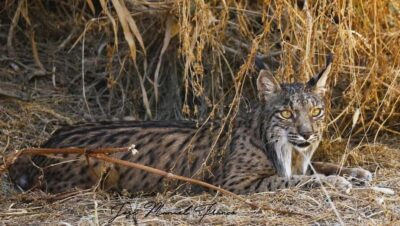
Discover Doñana & Iberian Lynx: Premium Nature Tour
Read our review →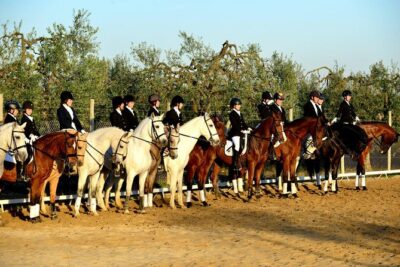
El Rocío: Doñana National Park Horseback Riding Tour
Read our review →
Doñana National Park Off-Road Tour from Seville
Read our review →Also filed under