
Rated · SEVILLE
Secrets of Maria Luisa Park and Plaza de Espana
Maria Luisa Park plus Plaza de España is one of those rare Seville combos where a park actually feels like a stage set for history. I love how the gardens connect city life to the grand Ibero-American Exposition of 1929, and I love the way the route makes you notice details you would normally step over. Your best payoff comes from slow, guided looking, especially around the fountains and plaza geometry.
You also get that extra layer of personality from guides such as Julián, MariPaz, and Grecia, who tend to focus on the small stuff, like how the water features work and what the park’s corners are trying to say. The one drawback to keep in mind is timing: the walk moves, so if you want lots of unhurried time inside Plaza de España itself, you may find the schedule a bit tight.
Key highlights you will care about
- Maria Luisa Park’s “green lungs” story, from Infanta Maria Luisa Fernanda’s gardens to a public park
- Plaza de España and Plaza de América, the event spaces that anchor the visit
- Design credit you can place, with work tied to Forestier and Aníbal González along the route
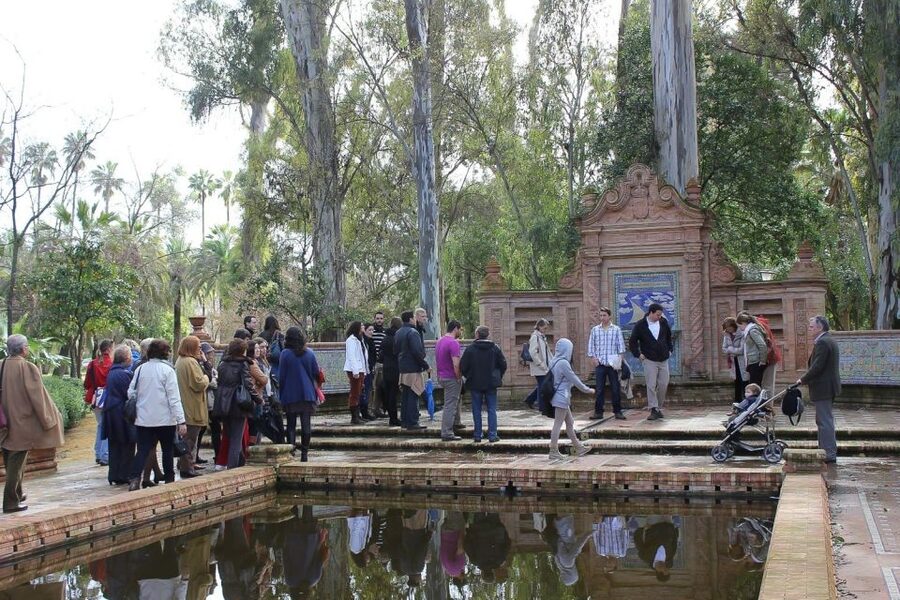
- Water features as navigation, including the Estanque de los Lotos
- A route built around photos and short guided stops, not a long sit-down experience
Why Maria Luisa Park + the 1929 plazas feel different
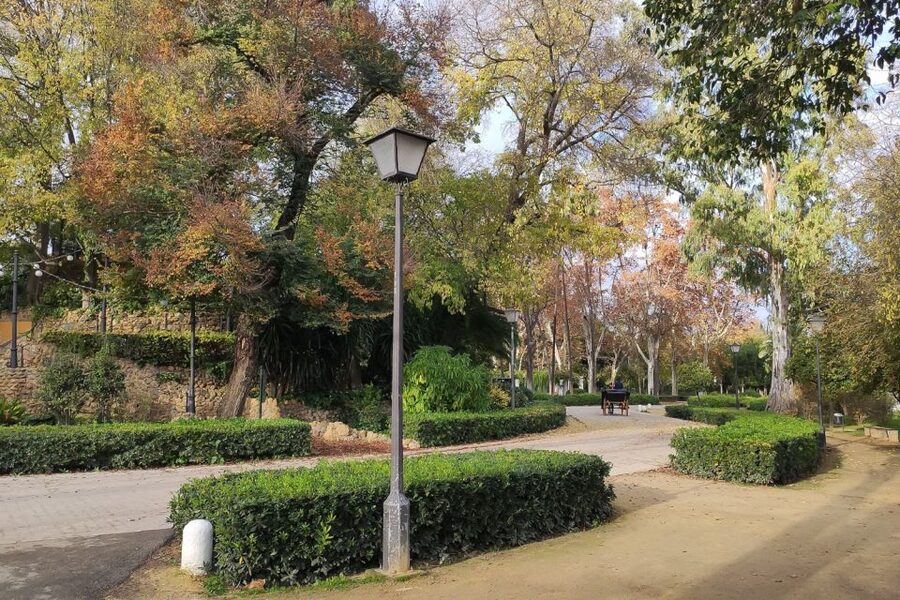
Maria Luisa Park was Seville’s first urban park and an important green lung for the city. It originally belonged to the private gardens of Infanta Maria Luisa Fernanda, and she donated it to Seville in 1914. That origin matters because the park does not feel like a random green space. It feels like a planned retreat that the city later learned to share.
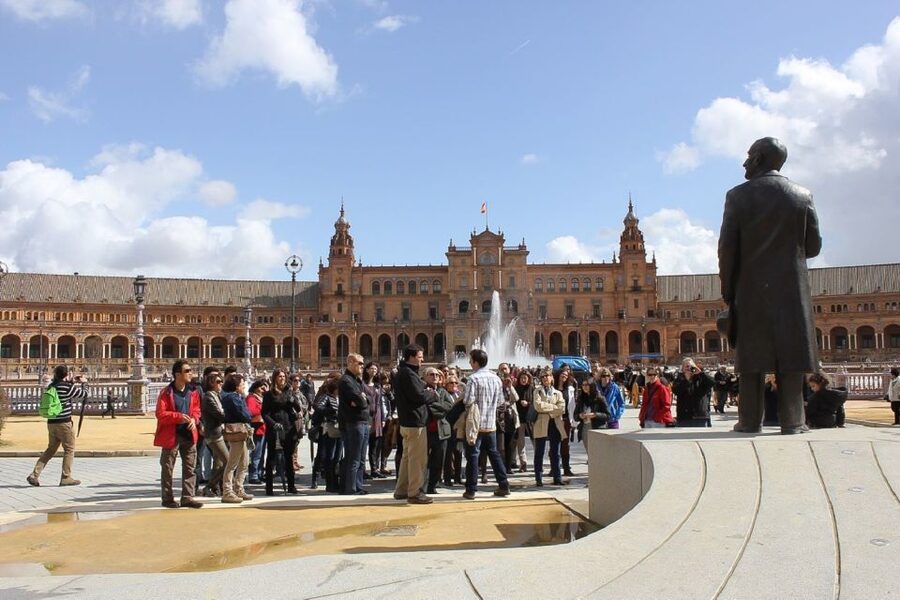
Then comes the big pivot point: inside the park, Plaza de España was built by Aníbal González for the Ibero-American Exposition of 1929. It is the largest architectural element created for that event, and the tour helps you see how the plaza fits the park rather than interrupting it. You will also hear about Plaza de América, which works like a second lens on the same exposition dream.
If you like places where design and symbolism show up in real life, you will enjoy this. The route rewards you for looking up at structure, then looking down at paths, water, and layouts. You will also get the most out of the walk if you are okay with steady pacing.
More of Seville worth an open tab:
- Seville: Live Flamenco Dancing Show Ticket at the Theater
★ 4.7 · 16,396 reviews - Seville: 1-Hour Guadalquivir River Sightseeing Eco Cruise
★ 4.2 · 10,281 reviews - Seville: Cathedral, Giralda, and Royal Alcázar Guided Tour
★ 4.7 · 9,165 reviews
What you get for about two hours (and why the price makes sense)
The experience runs about two hours and is guided by an official Spanish-language guide. It costs $14 per person, and that price includes the guide and taxes. Food and drinks are not included, so plan on bringing water if you need it, or buying a snack later near the end point.
For the money, the value is not just the big-name sights. It is the fact that you have an expert pointing out the park’s natural and architectural meaning across multiple stops. Without that context, Maria Luisa Park can be pretty, but you might miss what it is trying to communicate. With the guide, you start connecting the dots from monument to pond to plaza.
This is also a format that works well for many schedules. It is long enough to cover both major plazas, but short enough that you can still keep a full day in Seville. If you only have a morning or afternoon window, this is a practical choice.
The route: from Bécquer’s monument to Plaza de España
The walk starts at one of two meeting points, depending on what you booked: Avenida María Luisa (La Raza) or Fuente de la Glorieta de San Diego. From there, the visit follows a sequence of photo stops and guided moments that help you connect the park’s layout to its themes.
You then move through a series of landmarks that act like anchors. Some stops are quick, and some give you longer guided time, but the overall idea is a steady flow. The final stretch is Plaza de España, where you get the longest guided stop.
The tour ends with two possible drop-off locations: Fuente de la Glorieta de San Diego or Avenida María Luisa (La Raza). That flexibility is useful because it can cut down the stress of getting yourself back to wherever you are staying.
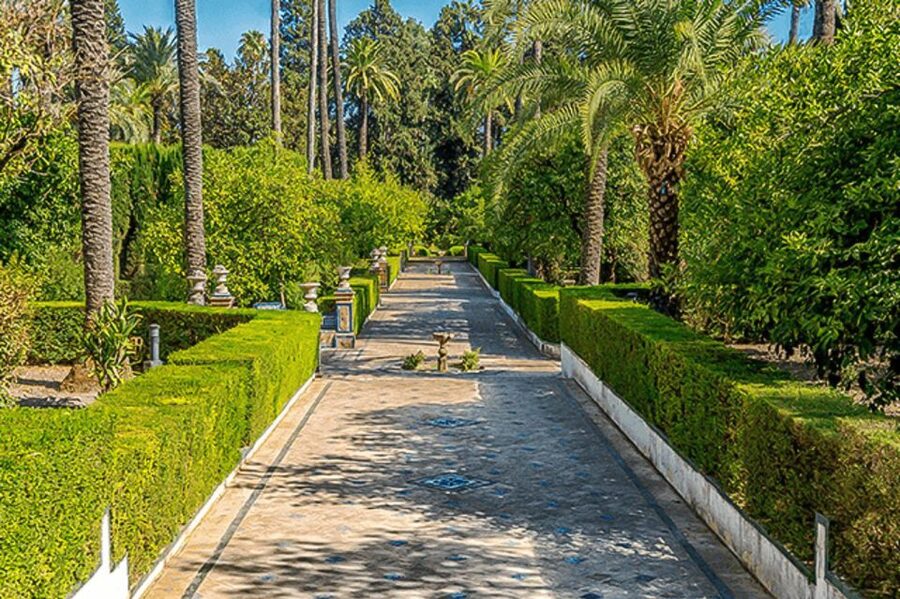
Stop by stop: what to look for at each key moment
Still around Seville, a different sort of day:
- Seville: Setas de Sevilla Entry Ticket
★ 4.6 · 8,901 reviews - Seville: Cathedral, Giralda & Alcazar Entry With Guided Tour
★ 4.6 · 8,560 reviews - Seville: Priority Access Cathedral, Giralda & Alcázar Tour
★ 4.8 · 7,563 reviews - Seville: Guadalquivir River Cruise
★ 3.9 · 6,921 reviews
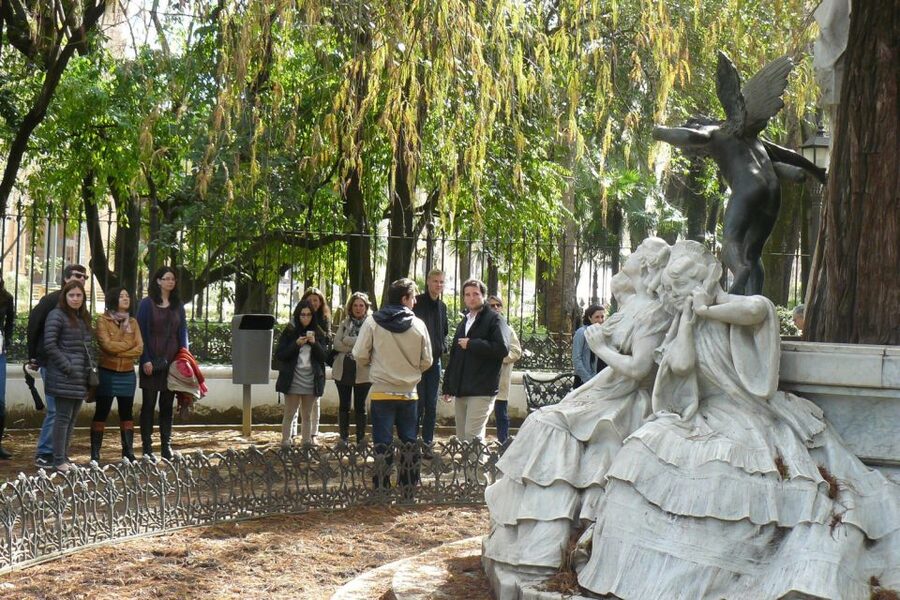
1) Gustavo Adolfo Bécquer Monument
You begin with a stop near the Gustavo Adolfo Bécquer monument. Even if you do not know much about him, it is a useful starting point because it sets a tone for the park as more than scenery. Expect a short photo moment plus guided context.
If you are traveling with a camera, this is a good place to set up your first shots. Lighting can be tricky later once you are deep in shaded paths, so get a clean opening frame here.
2) Monumento a la Infanta Maria Luisa
Next is a photo stop and guided explanation connected to Infanta Maria Luisa. This is where the tour makes the park feel personal to Seville. You will connect her 1914 donation to why this space became public and why it still acts like a green breathing space in the city.
Look for how the guide ties the human story to the physical layout. That connection is what turns a walk into an informed visit.
3) Estanque de los Lotos (the Lotos pond)
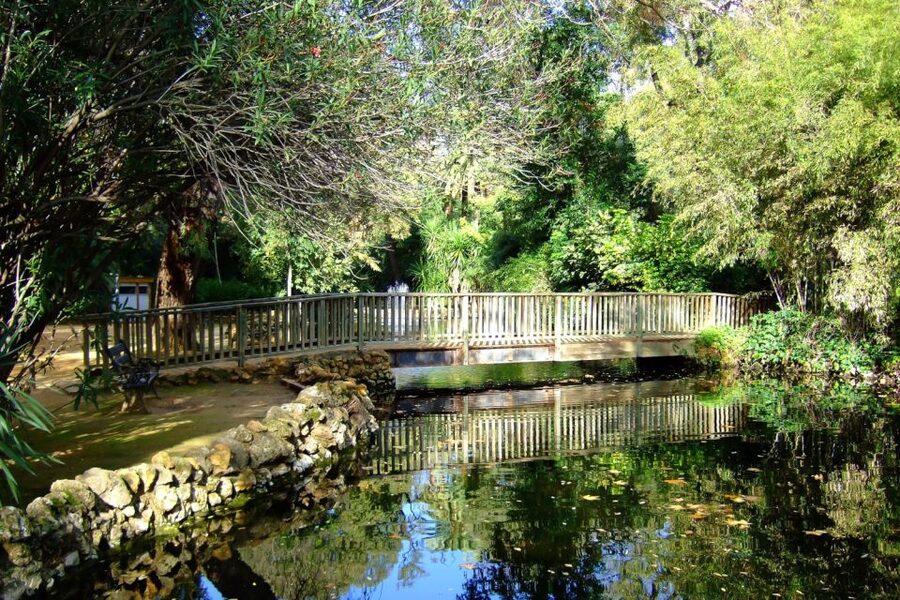
Then you reach Estanque de los Lotos, one of the most photogenic points in the park. The pond is not just pretty. In this garden setting, water acts like a visual and emotional center, giving you a pause point in the route.
Your guided time here is short, so keep your eyes open for the details the guide flags. If you like fountains and water design, you will probably feel like this stop is a highlight.
4) Glorieta de Juanita Reina
After the pond, the walk continues to Glorieta de Juanita Reina. This is one of those “small stop, big meaning” places where a named corner helps the whole park feel like a map of Seville’s cultural identity. The guided time is brief, but it helps you connect the naming to the broader idea of Ibero-American celebration and local pride.
If you are the kind of person who enjoys walking with purpose, these medium-speed stops keep the story moving.
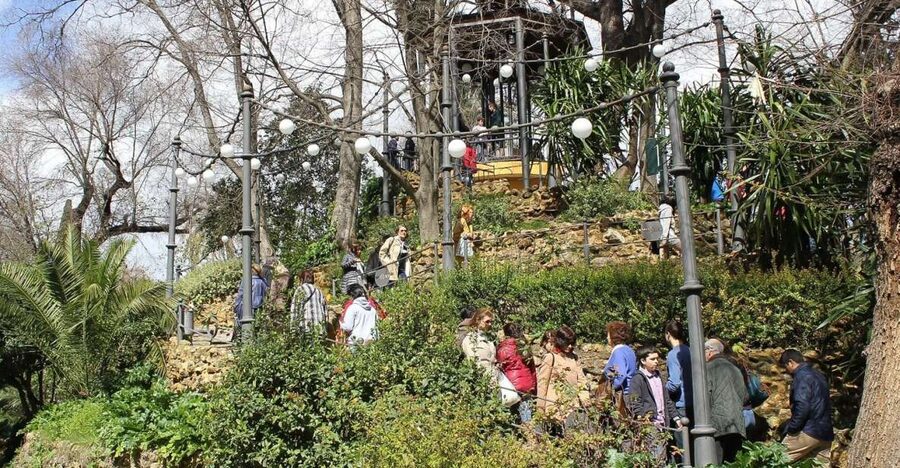
5) Monte Gurugú
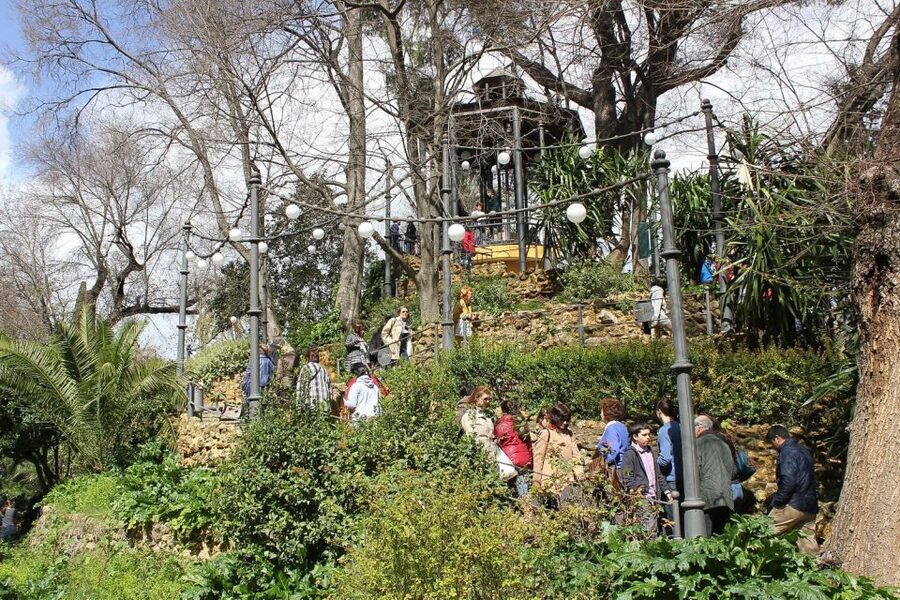
Then comes Monte Gurugú, with another photo stop plus a guided moment. This is an important thematic link because the park’s route is described as linking design ideas from Monte Gurugú toward Los Lotos pond, and finishing at the plazas. So even though it might look like another garden hill, it plays a role in the walking narrative.
Take a moment here to watch how paths and sightlines guide you forward. The guide’s explanation helps you see why you are walking the way you are walking.
6) Plaza de América
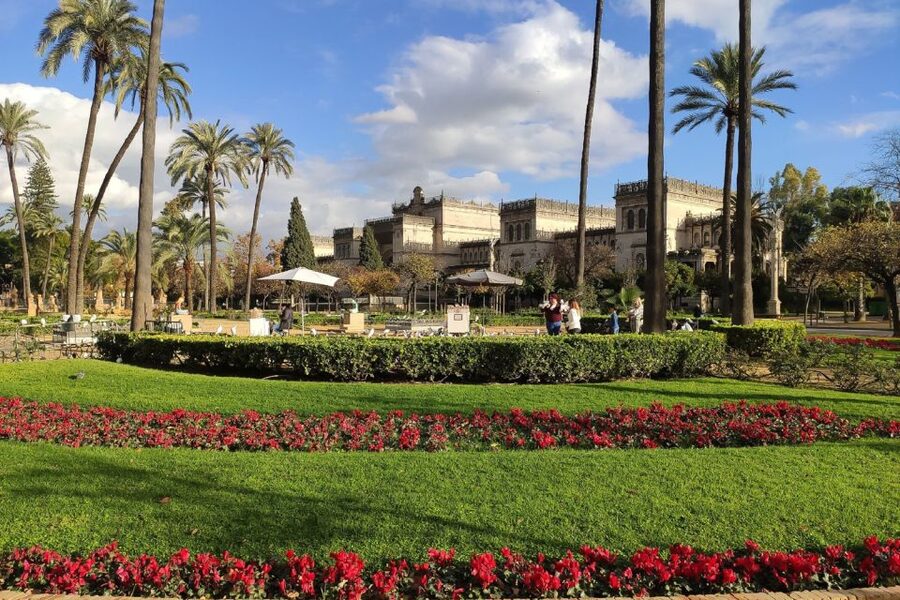
Next is Plaza de América, with one of the longer guided stops on the way, around 20 minutes. This is where the exposition theme becomes clearer. Plaza de América is designed to feel ceremonial, and the tour helps you understand how it connects to the 1929 world-event design approach.
Plan to slow down during this part. It is not a stop you should rush through, because it is one of the best moments to absorb the overall concept of the park.
7) Glorietas of Machado and Álvarez Quintero
After Plaza de América, the route continues through Glorieta de los Hermanos Machado and Glorieta de los Hermanos Álvarez Quintero. These glories in the park keep the walk from feeling like a single long corridor to the final plaza. Instead, you get named pauses that create texture and rhythm.
The guided time is about 10 minutes at each of these points. That is long enough to make you feel like you learned something, but short enough to keep energy high before you reach Plaza de España.
8) Plaza de España, Seville
Finally, you reach Plaza de España. This is the big finish, with a longer visit window, about 25 minutes. The guide explains what you are seeing, and you get time for photos.
Plaza de España is built for the 1929 exposition, so the design choices have purpose. The guide’s job here is to help you read the building like a structured message, not just a backdrop. If you want the best experience, keep your expectations realistic: 25 minutes is enough for the main structure, but not enough for full, leisurely exploration at every angle.
The best part: how the guide changes the walk
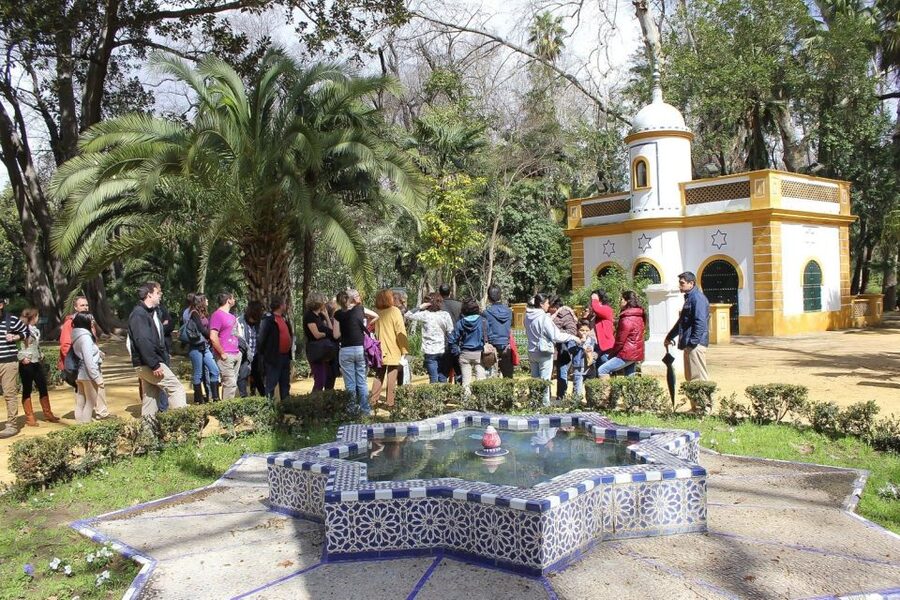
What makes this experience stand out is not only the famous names. It is the fact that you have an official guide who explains natural and architectural meaning across multiple spaces.
When the guide talks about fountains and the park’s secrets, it changes your brain from tourist mode to detective mode. You start noticing small water details, layout logic, and why certain corners exist. Guides like Julián were described as very kind and full of details about fountains and secrets, and that kind of storytelling is exactly what makes a short walk feel complete.
MariPaz and Grecia also get praise for being friendly and making the route enjoyable from start to finish. That matters in a park tour because the comfort level affects how much you actually retain.
If you are the type who likes to learn while walking, this format fits you well. If you are more of a “wander alone” traveler, you might prefer independent time in the park after the tour ends.
Practical advice for comfortable walking in Seville
This is a walking tour through a beautiful historical park, so comfort matters. Wear comfortable shoes because you will be on foot for the whole experience.
For spring or summer weather, I strongly suggest planning for sun. Bring sunglasses, a sun hat, and sunscreen. Even if the park has shade, you will still have bright open sections.
Also, think about pacing. The itinerary is built out of short photo stops and guided moments, so you should expect a steady flow. If you want lots of time to sit and people-watch, you will probably enjoy this more if you treat it as a guided primer, then add self-guided time afterward.
Who this tour is best for (and who should skip it)
This tour is a strong match if you want:
- A guided overview of Maria Luisa Park and both major plazas
- Context for the Ibero-American Exposition of 1929, including design meaning
- A short walking plan that fits into a busy Seville itinerary
It is also good for first-timers who feel overwhelmed by how much Seville has to offer. You get a structured route instead of aimless wandering.
You might skip or adjust your expectations if:
- You want a deep, unhurried exploration of Plaza de España alone
- You prefer independent wandering without frequent stops
In one case, the visit to Plaza de España was felt as too brief compared to the rest of the route, so I recommend having flexibility in your schedule. If your heart is set on spending a long time inside Plaza de España, consider doing the guided tour first, then returning later on your own.
Should you book this tour?
I would book this if you want the best value for time in Seville. $14 for an official Spanish guide, two major event plazas, and a full guided pass through Maria Luisa Park is a fair trade. You also get practical design context, the kind that turns photos into understanding.
Book it if you enjoy walking with a plan and learning what you are seeing. The guide quality seems to be a real strength, with multiple guides praised for kindness and for sharing details about fountains and park secrets.
I would think twice if Plaza de España is your only priority and you need long, slow hours there. In that case, this can feel like a fast intro rather than a complete deep visit. A smart approach is still possible: do the tour for context, then return when you have more time to linger.
FAQ
How long is the tour?
The duration is about 2 hours.
How much does it cost?
The price is $14 per person.
Where do I meet the guide?
The meeting point can vary. Options include Avenida María Luisa (La Raza) and Fuente de la Glorieta de San Diego.
Which areas will the tour cover?
You will visit Maria Luisa Park, including Plaza de España and Plaza de América.
What is included in the price?
The tour includes an official tour guide, group or private tour depending on the option selected, and all taxes.
Are food and drinks included?
No. Food and drinks are not included.
What language is the live guide?
The live tour guide is in Spanish.
Is the tour wheelchair accessible?
Yes, the tour is listed as wheelchair accessible.
What should I bring for the walk?
Bring comfortable shoes, sunglasses, a sun hat, and sunscreen.
Can I choose a private group?
Yes, a private group option is available.
Recently reviewed around Seville
- 2 Hours Rental Electric Kickscooter★ 5.0 · 22 reviews
- Seville: The City’s Top Highlights★ 5.0 · 11 reviews
- Seville Bike Tour★ 4.5 · 17 reviews
- Seville City Tour 3 Hour Historical Segway Adventure★ 5.0 · 55 reviews
- 2-hour guided tour of Italica★ 5.0 · 6 reviews
- 1 Hour Private Chiromassage Session in Seville★ 5.0 · 13 reviews
- Seville ElectricBike Tour 2h | Explore Like a Local | Small Group★ 5.0 · 24 reviews
- 2-day Tangier and Chefchauen Private Tour from Seville★ 4.5 · 11 reviews