
Rated · ITÁLICA TOURS
Italica, city of emperors
Italica is interesting because it started as a Roman military settlement and grew into a city linked to emperors, hot springs, and a seriously impressive amphitheater. In other words, you are not just looking at stones, you are seeing how power, comfort, and entertainment came together in Roman Spain.
I love the way the guide, María de la Paz González Vázquez, turns names like Trajan and Hadrian into real places you can stand in. I also love getting inside the amphitheater, where you can feel the scale, plus its connection to Game of Thrones scenes.
One possible drawback to plan for is the entrance cost. The guided tour is included, but the monument entrance is free for EU citizens, while it is not included for visitors outside the EU.
Key highlights to look forward to
Emperors you can map on the ground with Trajan and Adriano (Hadrian) tied to the city’s big building phase
A guided walk inside the archaeological enclosure that keeps the story moving building by building
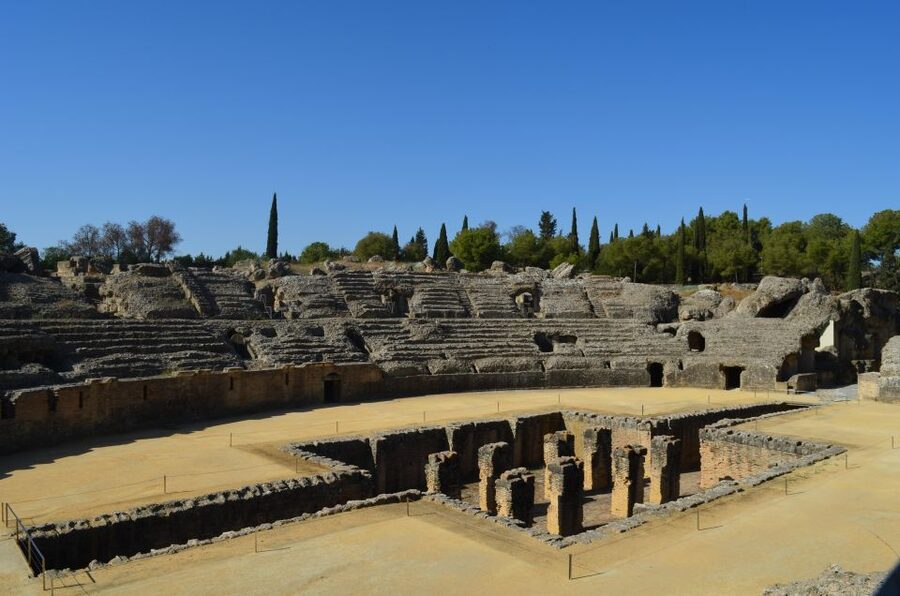
A huge amphitheater experience that is described as the second largest in the Roman Empire after Rome’s Coliseum
Game of Thrones filming connection you can connect to when you reach the amphitheater
María de la Paz González Vázquez-led explanations that are praised for being clear and engaging
Wheelchair accessibility, so you are not locked out of the experience
Why Italica feels bigger than it sounds
Italica is one of those places where the Roman past comes through fast, without needing extra drama. Founded in 206 B.C., it grew from a practical wartime settlement into a showpiece city, and the ruins still give you that “how did they build all this?” feeling.
The story starts after the Second Punic War, when Roman veterans settled here following victories over the Carthaginians. Over time, the conditions were so good that many soldiers stayed, becoming part of the community instead of moving on.
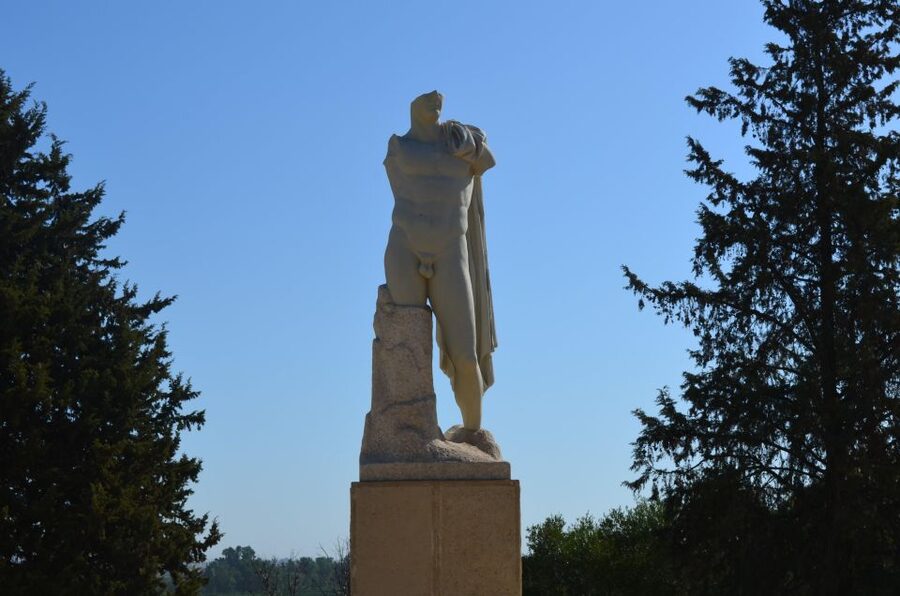
Later, the city hit a major turning point when it became the cradle of the Betic emperors, Trajan and Adriano. That is when Italica stops feeling like a stopover and starts feeling like a destination, with grand residences, public buildings, and a large amphitheater built for spectacle.
More Itálica Roman city tours:
- From Seville: Italica Roman City & Medieval Monastery Tour
★ 4.5 · 1,051 reviews - Historical Italica: Half-Day Guided Tour from Seville
★ 4.5 · 416 reviews - Seville: Game of Thrones and Roman Empire Italica Tour
★ 4.3 · 372 reviews
Arriving at the red flag and starting strong
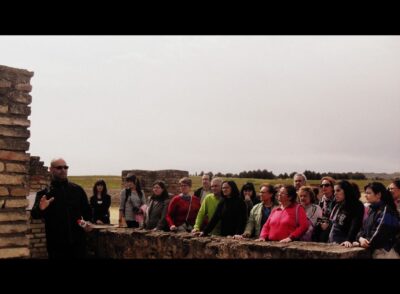
This is a guided tour inside the archaeological enclosure, and it runs about 120 minutes. You meet at the entrance with a red flag held by the tour team, so you will not waste time wandering around trying to spot the right group.
Because the format is focused and time-limited, you get better value if you come ready to walk and look. Wear comfortable shoes, bring water, and plan for sun because Roman ruins can look open even when the shade is limited.
The guide keeps things moving, and this is the big advantage of a guided format here. Italica is not just “see ruins,” it is “understand what you are seeing.” In that time window, a good guide helps you connect layouts and building purposes, instead of leaving you with disconnected walls and fragments.
The Roman origin story that ties the whole site together
If you only remember one thing from Italica, make it this: it was built by Romans for a reason, then upgraded by emperors because it became important.
The city began in 206 B.C. as the first Roman-founded city in the peninsula. That first phase matters, because it explains the practical core of the settlement, and why the city’s growth felt purposeful instead of random.
Then comes the emperor era. Trajan and Adriano are the names you will hear, and they are not just trivia. They explain why Italica received the kind of attention reserved for major centers, including larger public works and entertainment facilities.
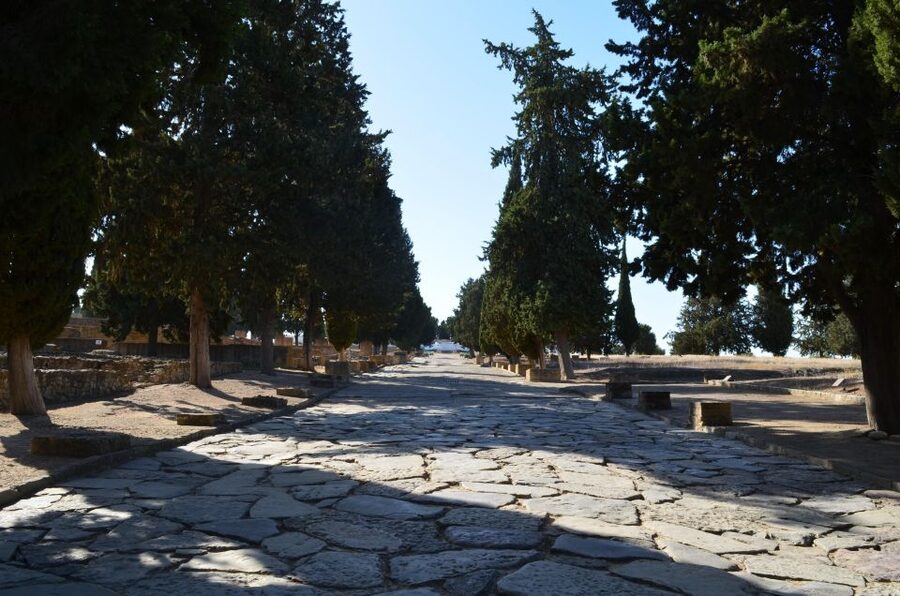
As you walk, you start seeing the logic behind the layout: where people lived, where the city did business, where people bathed, and where the community gathered to watch performances. That is why this tour works well for first-timers, even if Roman ruins are not your usual hobby.
Domus and public buildings, where daily life turns physical
Italica is famous for mansions and public buildings, and you feel that focus the moment the guide starts describing how the city functioned. You are not stuck only with monumental architecture. You get a sense of how ordinary routines would have looked for residents.
You will spend time learning customs and roles connected to different buildings across the city. Even when you are standing in a ruin, that guided explanation gives you the missing pieces: what the space was for, who used it, and why Romans invested in it.
One highlight built into the story is the presence of hot springs, described as larger than what you might expect for a settlement. That detail matters, because it signals lifestyle priorities. Romans did not just come for politics and war. They built comfort, cleanliness, and social habits into their cities.
If you like archaeology that explains people, not just structures, you will like this part. The best moments are when the guide helps you picture how the city felt at ground level, including how different areas connected through daily routines.
A few more Seville tours worth comparing
- Seville: City Sightseeing Hop-On Hop-Off Bus Tour
★ 4.0 · 4,633 reviews - Seville: Highlights City Bike Tour
★ 4.8 · 2,168 reviews - City Sightseeing Seville Hop-On Hop-Off Bus Tour
★ 4.0 · 1,782 reviews - Seville: Relaxing City Bike Tour with a Tour Guide
★ 4.8 · 1,588 reviews
The amphitheater, and the Game of Thrones moment you can spot
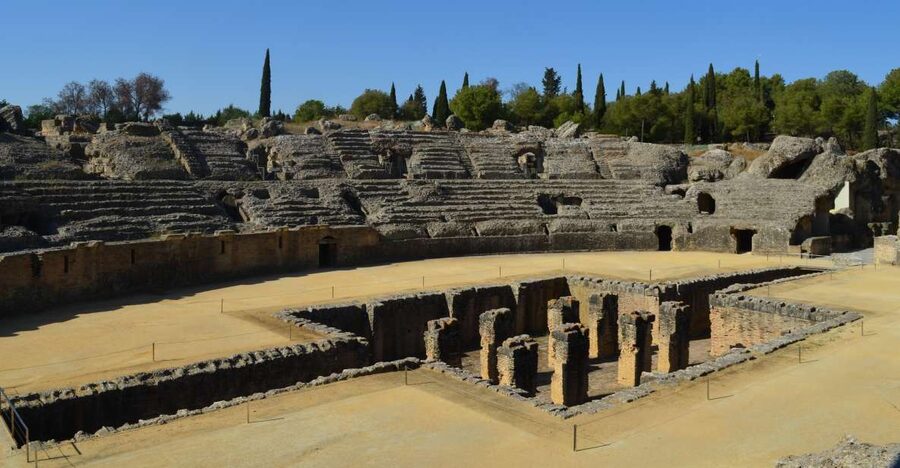
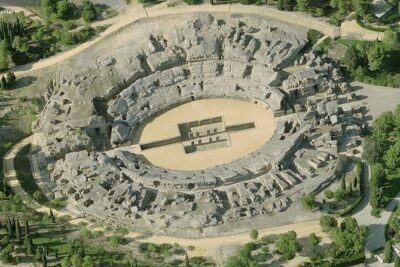
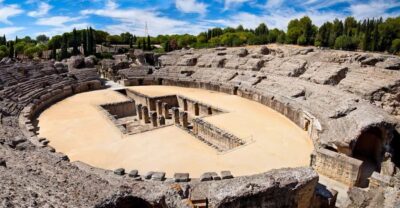
The amphitheater is the “okay, wow” stop, and it is the reason a short tour can still feel satisfying. It is known, after newer studies, as the second largest in the Roman Empire, with Rome’s Coliseum being the only one cited as bigger.
That scale changes how you look at everything around it. From the right vantage point, you start understanding how performances would have been seen, how crowds would have moved, and why this building was a powerful statement.
And yes, there is a Game of Thrones connection. The amphitheater was used as a filming location, including scenes connected to Merenderos, the area referenced as a resting stop in the series. You might recognize the setting once you are standing there, which adds a fun layer if you enjoy spotting filming locations.
A practical note: even though the tour is guided and timed well, the amphitheater area can feel exposed. Bring sun protection and take your time. It is better to pause and look at the space than to rush through it just to “check the box.”
Price and entry fees, what $15 buys you
The price is listed as about $15 per person, for a 1.5-hour guided experience in Spanish. That is good value if you want structure, explanation, and a clear route through the archaeological enclosure.
But do not assume the total cost is the same for everyone. Monument entry is not included for visitors outside the European Union, while it is free for EU citizens. So if you are traveling from outside the EU, your best budgeting move is to plan for an added entrance ticket cost on top of the tour price.
From a value standpoint, the best part of paying for the guide is not access, it is meaning. Italica is big enough to get lost in, and the guided storytelling helps you understand why certain buildings matter and how the city evolved from veterans to emperor-level prestige.
If you speak only a little Spanish, this tour may still work if you are willing to follow explanations, but you will get the most if you are comfortable with Spanish narration.
Who this tour suits best, and how to make it click
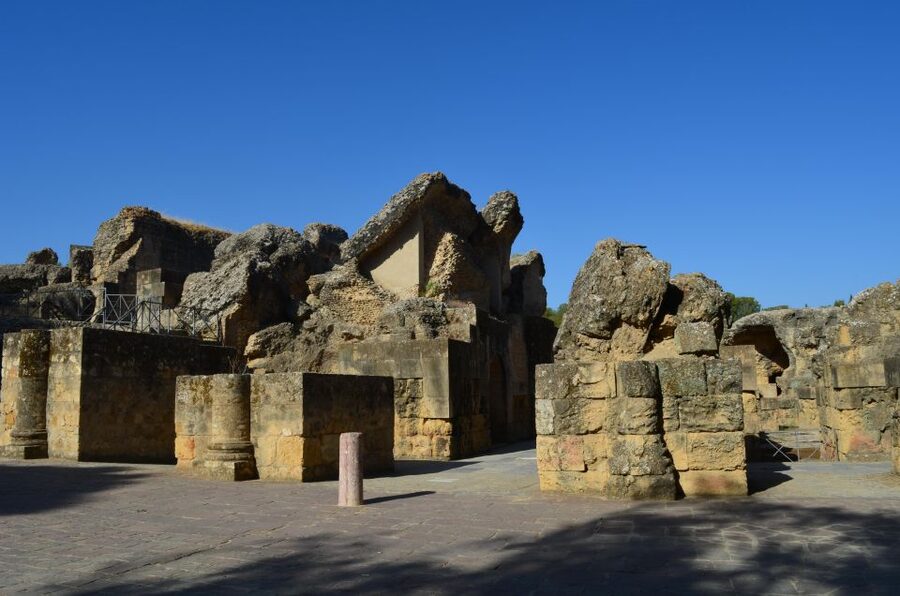
This experience is recommended for all audiences, and that fits the pacing. You are not doing a marathon hike or a complicated route. It is a straight, guided walk through the site with a strong story thread.
I think it is especially smart for:
- First-time visitors who want the big ideas quickly, without getting overwhelmed
- Fans of Roman life who enjoy explanations about buildings and daily habits
- Game of Thrones watchers who want one concrete filming location tied to a place with real architectural weight
To get the most out of it, do one small prep step before you arrive. Familiarize yourself with the core names: Trajan and Adriano. Then when the guide connects them to the city’s growth and monuments, the ruins will feel like a timeline you can follow.
Also, aim to visit with a mindset of observation. Look at scale, think about function, and let the guide’s building-by-building storytelling connect the dots. That is where the best satisfaction comes from.
FAQ
FAQ
How long is the Italica guided tour?
The duration is approximately 120 minutes, so plan for about 1.5 hours on site with the guide.
What language is the guide?
The live tour guide gives the tour in Spanish.
Where do I meet the tour team?
You meet at the entrance to the archaeological area, with a red flag held by the team.
Is the archaeological site entrance ticket included?
Entrance to the monument is free for EU citizens. For people who are not EU citizens, the entrance fee is not included.
Is transport included?
Transport to the Roman city of Italica is listed as part of the experience.
Is this tour wheelchair accessible?
Yes, the tour is wheelchair accessible.
Is this tour suitable for families or all ages?
It is recommended for all audiences.
What is the price?
The tour is priced at about $15 per person.
Is there free cancellation?
Yes, you can cancel up to 24 hours in advance for a full refund.
Can I reserve and pay later?
Yes, reserve now and pay later is offered so you can keep plans flexible.
Should you book this tour?
Yes, book it if you want a guided, time-efficient way to understand why Italica matters, not just to look at ruins. For $15, you get a guided path inside the enclosure, clear Spanish explanations led by María de la Paz González Vázquez, and the standout payoff of the amphitheater’s scale and its Game of Thrones filming connection. Just make sure you factor in the monument entrance situation if you are visiting from outside the EU.
Recently reviewed around Seville
- Tour Sevilla de las 3 Culturas★ 5.0 · 4 reviews
- NOSIESTA | Guided E-Bike Tour Sevilla | ENGLISH (NATIVE)★ 5.0 · 5 reviews
- Tour of the Alcazar of Seville★ 5.0 · 7 reviews
- The Cultures of Seville Walking Tour★ 4.7 · 8 reviews
- Sunset Kayaking★ 4.9 · 16 reviews
- Seville PHOTO WALK★ 4.8 · 10 reviews
- Sunset Kayak: Historic Seville, Triana and La Cartuja★ 5.0 · 10 reviews
- Seville with a Michelin Chef: Gastronomic Tour around Secret Corners★ 1.3 · 6 reviews
Itálica Tours, side by side.
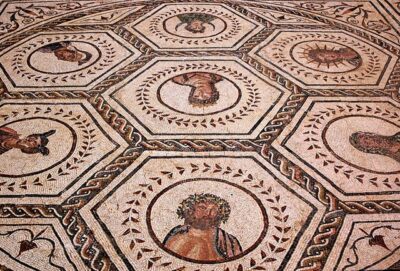
Historical Italica: Half-Day Guided Tour from Seville
Read our review →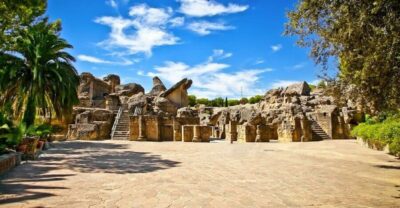
Visit to Italica Roman Ruins Tour tickets included
Read our review →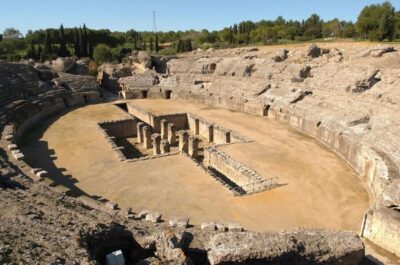
Also filed under