
Rated · JEREZ DAY TRIPS
Jerez: Historic Center Guided Tour
Jerez’s historic center is interesting because it reads like a timeline you can walk, from ancient settlers through Roman rule to Moorish influence, then forward into Christian Spain. I like how the tour turns stone and street corners into a story you can actually follow, especially with guides such as Rose, Lucia, Martina, and Charo who keep the pace friendly and the facts tied to what you’re seeing.
Two things I especially love are the chance to spot Jerez’s religious and architectural mix up close, including the Mudejar Church of San Dionisio, and the built-in Jerez sherry culture through a wine tasting option at the end. One drawback to consider is that Alcázar and the cathedral are viewed from the outside, since inside visits and tickets are not included.
Key Points Worth Your Attention
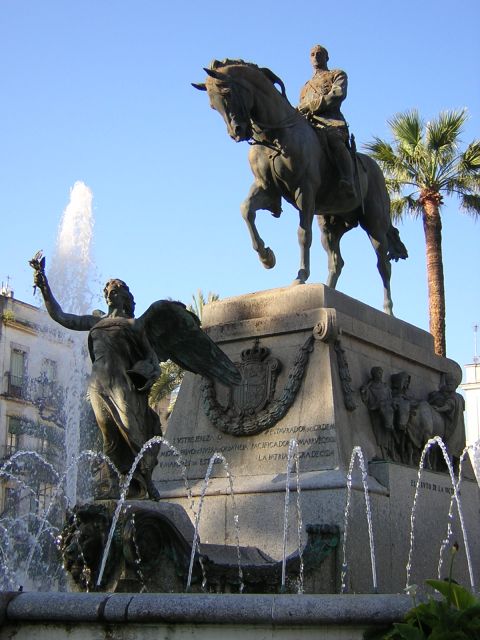
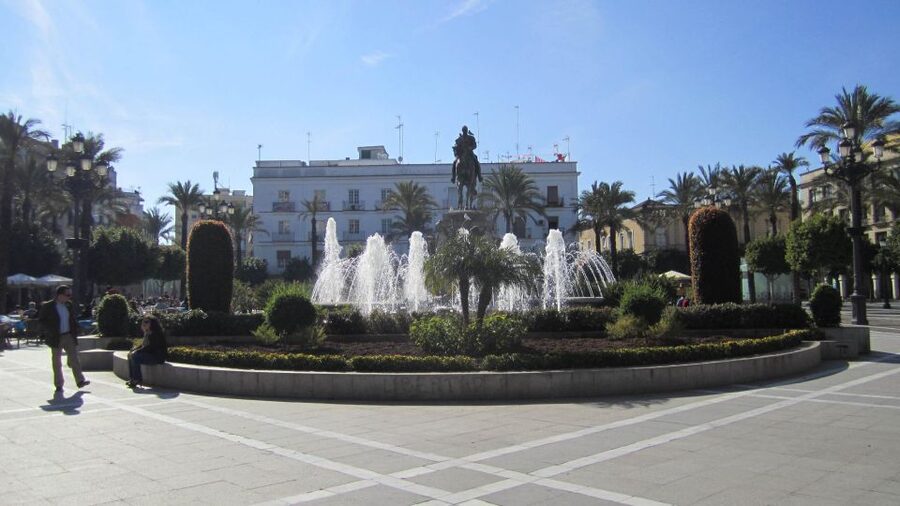
- Plaza del Arenal starting point, then a walk that quickly gets you oriented in the old town
- San Miguel neighborhood streets and Gothic church, a good early taste of the city’s layers
- Alcázar defensive wall area, giving you a real sense of how Jerez was protected
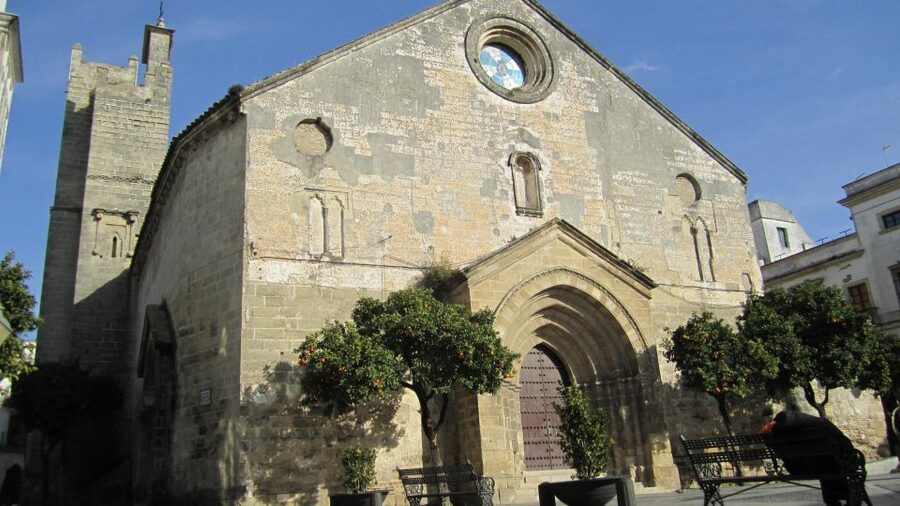
- Church of San Dionisio, noted as the only Mudejar church in town
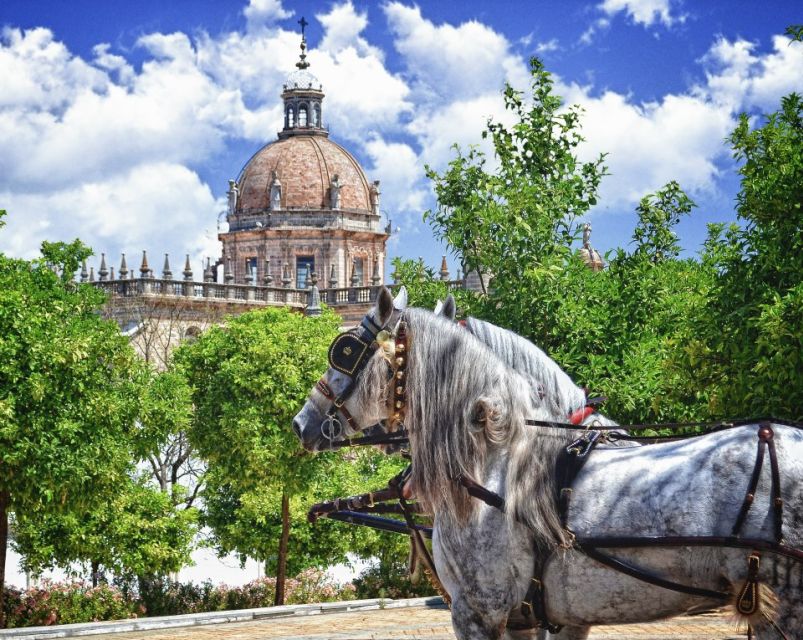
- Cathedral façade contrasts, where you can see Gothic, Baroque, and Neoclassical styles in one panorama
- Optional Jerez wine tasting, often paired with a lively local tabanco stop
Why This Jerez Walk Feels Like a City Timeline
Jerez de la Frontera does not just sit there looking pretty. It keeps showing you its past in small, practical ways, like where streets curve, where walls were built, and why certain churches matter. On this 2-hour guided walk, the story moves across neighborhoods rather than listing dates from a textbook.
I like that the tour focuses on real, visible clues. You start in the historic core and go outward just enough to connect the dots: Muslim and Christian quarters side by side, then major landmarks like the Alcázar wall zone, the cathedral, and San Dionisio. It helps if you tend to miss details on your own, because a guide points out what to notice.
I also like the sherry connection. Jerez is famous for sherry production, and the tour treats wine as part of the city’s identity, not just a souvenir. Even if you are not a big wine person, the tasting moment makes the whole place feel more alive and current.
More Jerez day trips from Seville:
- Jerez de la Frontera: Andalusian Horse Dance and Museums
★ 4.7 · 1,289 reviews - Jerez: Yeguada de la Cartuja Carthusian Horses Tour
★ 4.8 · 970 reviews - Jerez: Royal Andalusian School of Equestrian Art Admission
★ 4.6 · 882 reviews
The 2-Hour Format, and How to Use It Without Feeling Rushed
This is a 2-hour walking tour, which is an ideal length for Jerez. The city center is walkable, but if you try to DIY every stop, you can easily waste time figuring out what you are looking at. In two hours, you get structure, plus enough freedom to ask questions without feeling trapped.
You will be on foot throughout, so the big practical tip is simple: bring comfortable shoes and a reusable water bottle. Jerez can get warm, and you will be outside for stretches of the route.
Language options are English, Spanish, and French. If you see that some parts might run with two languages at once, don’t worry too much. It usually means the guide is coordinating while the group stays together, so you still get the key explanations.
Plaza del Arenal to San Miguel: A Quick Start That Actually Helps

The meeting point is typically Plaza del Arenal. From there, the walk heads toward the San Miguel neighborhood, where you get a satisfying first hit of Jerez’s style and atmosphere.
This part matters because it sets your bearings. You are not starting with a monument and hoping it makes sense. You start with a neighborhood, with the kind of streets and buildings that show how daily life shaped the city. The tour highlights the Gothic church in the area, and that gives you a reference point for later stops when you compare styles.
If you like walking tours where the route feels logical rather than random, you’ll appreciate this early section. It gives you a foundation for what comes next: the frontier between civic defense, religious power, and the way different cultures built on top of each other.
Alcázar Defensive Walls and the Muslim-Christian Crossroads
One of the most useful skills a guide can give you is helping you read the city as a set of choices. Where did people build walls? What did they protect? What did they emphasize when they gained influence?
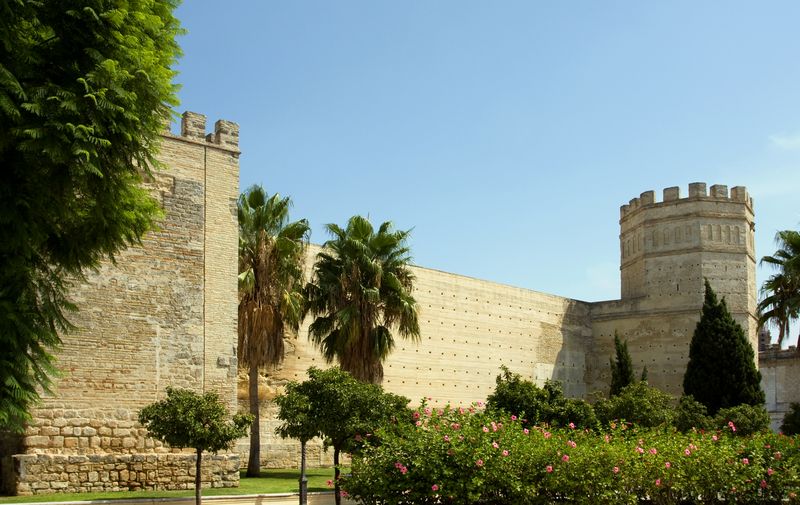
Here, the tour points you toward the defensive wall area of the Alcázar. Even without going inside, the wall zone is a strong visual reminder that Jerez was once a strategic place, not just a pretty inland city. You get a sense of how defense and governance shaped the urban layout.
From that area, the walk keeps moving through zones where Islamic and Christian monuments sit in the same general orbit. That’s the heart of the experience. You are not just seeing two separate histories. You are seeing how one era’s architecture and urban decisions influenced the next.
A few more Jerez De La Frontera tours worth comparing
- Jerez: Historic center of Jerez and horse show
★ 5.0 · 3 reviews - Sevilla Food Tour: Tapas, Wine, History & Traditions
★ 5.0 · 3,468 reviews - Ultimate Seville Tapas, Wine & History Small Group Tour
★ 5.0 · 1,766 reviews - Córdoba: Skip-the-Line Great Mosque-Cathedral History Tour
★ 4.7 · 1,690 reviews
The Tartessians and the Long View, Explained in Plain Human Terms
The tour talks about the Tartessians and frames them as the first settlers attributed for this area. It’s easy for ancient references to sound vague, but the way the tour presents these early layers matters.
Instead of dumping names, the guide uses them as stepping stones, so you understand why later civilizations cared about this place. You then move through the eras tied to Jerez’s evolution: Phoenicians, Romans, Visigoths, and Moors.
This is the kind of background that pays off later when you look at a church façade or a plaza and realize it is not random. Styles and building choices often reflect power, trade, and cultural influence. In Jerez, those influences show up visually, and the guide helps you spot the clues.
Squares, Palaces, and the Site of the Old Town Hall

A good historic walk includes pauses, not just marching from landmark to landmark. This route includes decorative squares and palaces, plus a stop at the site of the old town hall.
Why I like this section: squares tell you how a city worked. Streets funnel people, but plazas are where business, politics, and public life happened. When you know where the old town hall used to be, the surrounding buildings make more sense, even if you are not reading every inscription.
It also gives you a break from pure architecture viewing. You can take a breath, look around, and let the earlier “timeline” information settle. Then you’re ready for the major religious architecture stops.
San Dionisio Church, and Why Mudejar Style Here Is Special
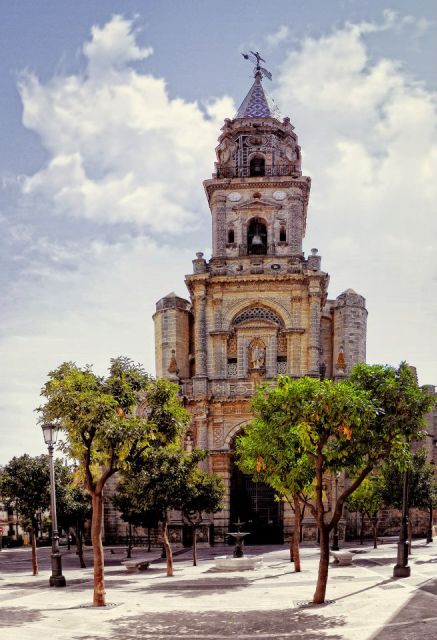
Now we get to one of the best anchor points on the tour: the Church of San Dionisio. The highlight note is that it is the only Mudejar church in town, and that fact alone gives you a reason to pay attention.
Mudejar style is often subtle. It can look decorative at a glance, but up close you start noticing the mix of influences and the craftsmanship. The guide’s job here is key, because they point out what to look for on the façade and around the church so you don’t just see a pretty building.
This stop is also a good test of whether you like guided tours. If you enjoy learning to read details, San Dionisio will feel like one of those moments that makes the entire walk click.
Cathedral Facades: Gothic, Baroque, and Neoclassical in One View
Jerez’s cathedral is a lesson in how time changes architecture without erasing the past. The tour has you admire the cathedral façades and specifically calls out Gothic, Baroque, and Neoclassical elements.
Since inside visits are not included, treat this stop like a view. Stand back, look at the façade as a whole, then let the guide point out the different style cues. You’ll get more from this if you adopt the mindset of comparing layers rather than searching for a single “main” thing.
For photographers, this stop often becomes a favorite because you get angles that let you see the style differences without needing to enter. For non-photographers, it still works, because the guide’s explanations help you understand why those changes likely happened over time.
Optional Wine Tasting and the Tabanco Atmosphere
A big reason this tour feels like more than a museum walk is the end moment: a tasting of 2 Jerez wines, when you choose that option.
Even if you do not drink much, wine tasting helps connect the city’s reputation to a lived experience. Jerez is famous for sherry production, and this is the simplest way to taste that identity rather than just hearing about it.
In practice, your guide may also time things so you can enjoy a tabanco atmosphere, and in some cases a flamenco moment lines up with the sherry tasting. That pairing makes the finale feel very Andalusian, because you’re not leaving the story at the last church façade. You’re stepping into the culture that keeps the city moving today.
Price and Value: What You Pay For (and What You Don’t)
The listed price is $26 per person for a 2-hour guided experience, with guide fees and taxes included. Tickets are not included, and inside visits to the Alcázar and the cathedral are not part of this package.
So where does the value come from? Mainly from the guide. You are paying for a curated walking route that shows you what matters, plus explanations that help you interpret style and history in a short time. If you were to DIY it, you would still need to figure out what each building is and why it matters.
The only caution is budgeting for optional entrances if you decide you want the inside of major sites. This tour sets you up for those choices. It does not automatically take you inside.
For wine lovers, value increases if your option includes the 2-wine tasting. For everyone else, it is still a strong deal for a city-center orientation and a style-focused architecture walk.
Who This Tour Fits Best in Jerez
This is a great fit if you want:
- A guided orientation without committing to a full day
- Architecture and history explained in a way you can see right away
- A mix of religious and neighborhood stops, rather than only one district
- The option to end with Jerez wine tasting and a local tabanco vibe
I would especially recommend it to first-time visitors. Jerez’s historic center is compact enough that a walking structure helps a lot, and the tour covers the main “story anchors” you would otherwise miss.
If you dislike walking tours or only want interior museum-style visits, this might feel limiting because inside tickets are not included. But if you are comfortable seeing façades, walls, and squares, you’ll likely get your money’s worth.
What to Expect on the Ground: Pace, Questions, and Group Feel
Most of the experience is a steady walk between key sites. The tone tends to be friendly and conversational, and the guides highlighted in the reviews stand out for storytelling and answering questions on the fly. Names like Rose, Lucia, Charo, and Martina come up repeatedly, and the pattern is the same: clear explanations, plus a sense of humor that keeps the two hours from dragging.
A small practical note: the tour may run simultaneously in two languages sometimes. That usually means you’ll hear the main explanations while the group stays together. If you want the fullest single-language focus, you can choose the language you prefer when booking.
Should You Book This Jerez Historic Center Guided Tour?
If you want a high-impact, low-stress way to understand Jerez in just two hours, I say yes, book it. This tour is particularly strong for the combination of neighborhood context, architecture comparisons, and sherry culture, with the added bonus that the guide experience is often the standout part.
Book it with realistic expectations: you’ll see major sites from the outside, and if you want inside access, you will likely need extra tickets. If you can work with that, you’ll leave with the kind of mental map that makes your next stroll feel 10 times smarter.
FAQ
How long is the Jerez historic center guided tour?
The tour lasts about 2 hours.
Where do we meet the guide?
You meet in Plaza del Arenal, though the exact meeting point may vary depending on the option booked.
Are tickets or inside visits included for the Alcázar and cathedral?
No. Tickets are not included, and inside visits to the Alcázar and the cathedral are not included.
Do I get a Jerez wine tasting on this tour?
There is an option for a tasting of 2 Jerez wines, included when you choose that option.
What languages are available?
The live guide is available in English, Spanish, and French.
Is the tour wheelchair accessible?
Yes, the tour is wheelchair accessible.
Is this tour suitable for families with children?
The tour requires a minimum of 2 adults, and a booking with 1 adult and 1 child is not allowed.
Recently reviewed around Jerez De La Frontera
- Monumental Jerez Guided Tour★ 4.8 · 37 reviews
- Jerez: Historic center of Jerez and horse show★ 5.0 · 3 reviews
- Jerez: Tour Bodegas Páez Morilla ESPAÑOL/DEUTSCH★ 5.0 · 4 reviews
- Jerez de la Frontera: Cathedral of Jerez Ticket & Audioguide★ 4.5 · 74 reviews
- Jerez de la Frontera: Palacio Domecq Entrance Ticket★ 4.2 · 123 reviews
- JEREZ DE LA FRONTERA: PREMIUM GUIDED TOUR TO THE COOPERAGE★ 5.0 · 5 reviews
- Jerez: City Guided Tour and the Alcazar★ 4.6 · 101 reviews
- JEREZ DE LA FRONTERA: GUIDED TOUR TO THE COOPERAGE★ 5.0 · 3 reviews
Jerez Day Trips, side by side.

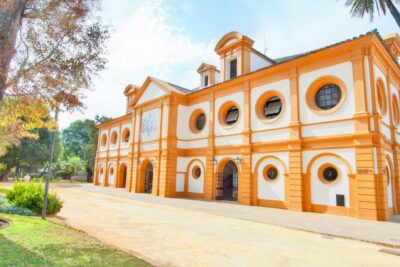
Royal Andalusian School of Equestrian Art Admission
Read our review →
Bodegas Fundador Guided Tour with Tasting Session
Read our review →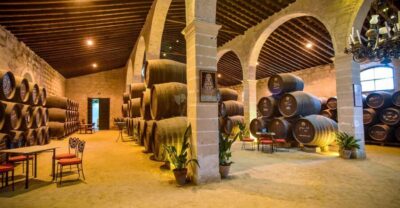


Also filed under