
Rated · SEVILLE
Visit to the Church of San Miguel
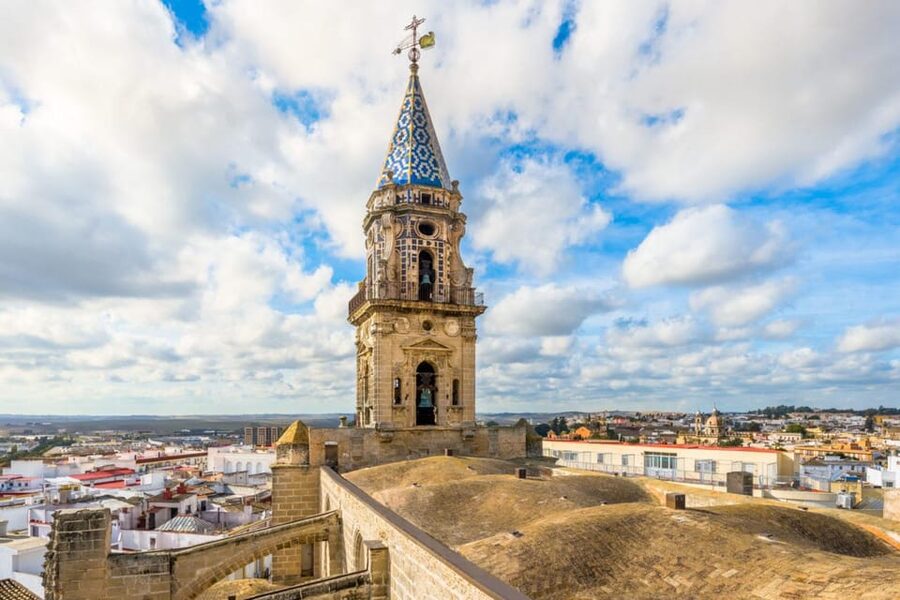
The Church of San Miguel in Jerez is one of those places where you can spend a calm hour absorbing art, details, and sacred spaces in a very practical way. For just $7, you get a complete, ticketed route through the church plus a free audio guide that walks you through what you are seeing.
Two things I really like here: the chance to see the church’s most important works in order (not just the main room), and the main altar focus on the Martin Montañez altarpiece, which is the kind of artwork you keep looking back at. One drawback to consider is that this is mostly an indoor, slow-looking experience. If you are hunting for big outdoor views or a high-energy tour, this is not that.
Key things to know before you go
- Free audio guide included, designed to explain the highlights point by point
- Sacristy visit with a collection of sacred art you can take your time with
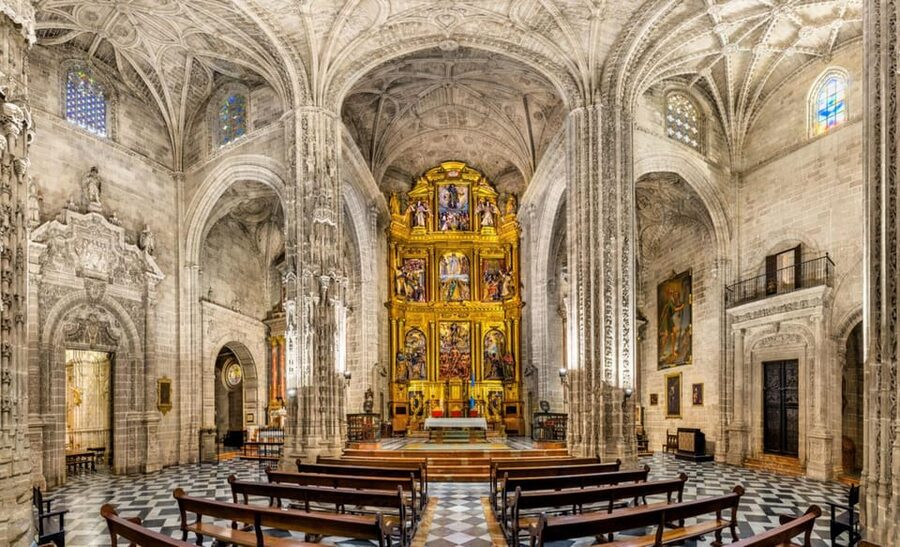
- Martin Montañez altarpiece on the main altar, a must-see centerpiece
- Tabernacle inside the church, a smaller space you should not skip
- Treasure room included, more sacred-art examples beyond the main areas
Why the Church of San Miguel is worth your 1 day in Jerez
Jerez de la Frontera gives you plenty of ways to fill a day, from wandering old streets to tasting local food. But San Miguel works as a different kind of stop. It is not just a quick look at a pretty facade or a single chapel. With your ticket, you get a complete visit that guides you through the church’s key internal spaces, including the parts that tend to be overlooked when you only see the main hall.
I like this sort of visit because it is structured without being rigid. You can move at your own pace, yet you are not stuck wondering what matters most. The price is also friendly enough that you do not feel guilty for spending real attention inside. At $7 per person, this is the kind of cultural stop that fits both first-time visitors and people who are already comfortable with walking tours.
And there’s a simple emotional reason to go: this is a peaceful church visit. You should expect a quiet mood where you can actually concentrate on what you see, especially when the audio guide brings you to each focal point.
More of Jerez De La Frontera worth an open tab:
- Jerez de la Frontera: Andalusian Horse Dance and Museums
★ 4.7 · 1,289 reviews - Jerez: Yeguada de la Cartuja Carthusian Horses Tour
★ 4.8 · 970 reviews - Jerez: Royal Andalusian School of Equestrian Art Admission
★ 4.6 · 882 reviews
What you get for $7: sacristy, tabernacle, treasury, and the main altar
For your ticket, you are not buying a vague “church entry.” You are buying a full, mapped route through several distinct areas:
- Sacristy with its sacred-art exhibition
- The main church space with access to the main altarpiece
- Tabernacle, described as a small church within San Miguel
- Treasure room, with additional sacred-art examples
This matters because churches are not one-size-fits-all. The sacristy can feel like a behind-the-scenes world, where sacred objects and works are presented in a context that helps you understand why the church looks the way it does. The tabernacle, being a smaller space inside the bigger church, often changes the feel completely. It is the kind of stop where you slow down without needing to force it.
Even the treasure room has a purpose. It adds depth, so you leave with more than one standout memory. Instead of only one “wow” artwork, you get a sequence of meaningful pieces, all tied to the same sacred focus.
The free audio guide: how to make the most of every room
One of the strongest practical perks is the free audio guide included with your ticket. It is built for a full, point-by-point visit, so you are not guessing what you are looking at. That is especially helpful in a church like this, where symbolism and placement matter.
Here is how I suggest you use it:
- Start with the first stop and keep the audio on as you enter each area.
- When you reach a major artwork, pause for a moment before moving on. Let the explanation land, then look again.
- If you feel your pace slipping, use the audio to reset. It keeps you from drifting past the best parts.
The audio guide also comes with multilingual support. The host or greeter languages include Spanish, English, French, Italian, German, and Russian. And note that some content may appear in its original language, so if you see a label or passage you cannot fully decode, the audio can still help you follow what is being shown.
Entering San Miguel: start with the architecture, then let the art lead
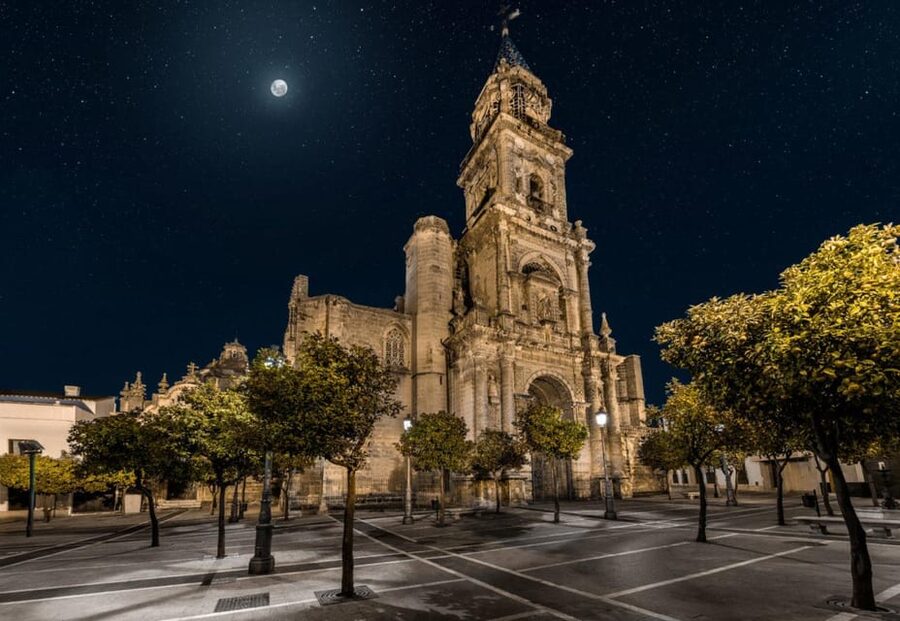
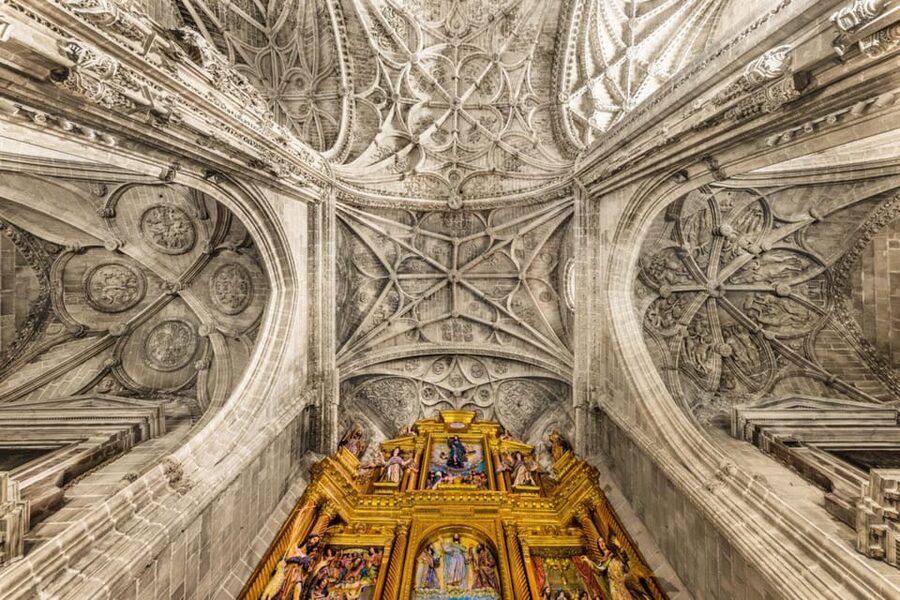
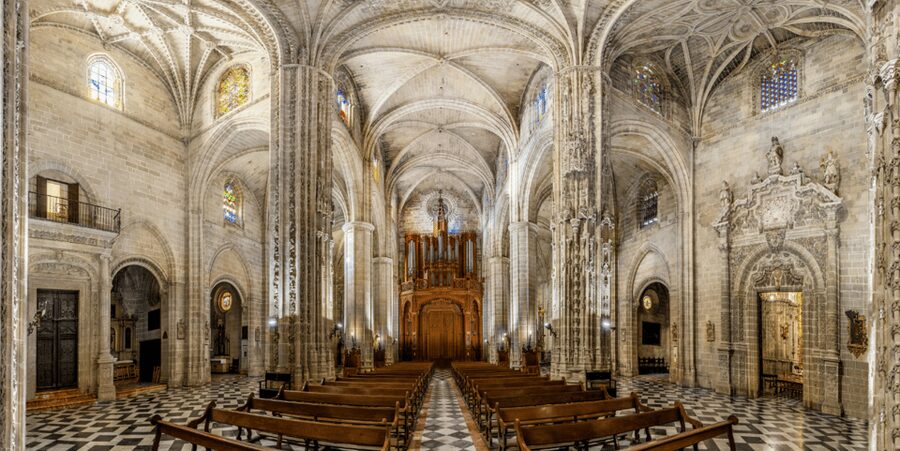
The architecture is described as worthy of admiration, and that is a good way to approach the church. Before you chase specific artworks, take a minute to notice the structure and how the spaces relate to each other. In many churches, the layout teaches you where to look next. San Miguel is no exception.
Then let the art guide your movement. The route you are given is built to take you from the sacristy and exhibitions into the main altar area and on to the tabernacle and treasure room. That order makes sense because it builds context. You see sacred items presented in an organized way first, then you reach the church’s major altar centerpiece.
If you like learning while you travel, this is also the right kind of experience for you. You are not forced into a lecture. You get explanations as you walk, which feels more natural and less tiring than a guided group format.
Still around Jerez De La Frontera, a different sort of day:
- Jerez: Bodegas Fundador Guided Tour with Tasting Session
★ 4.8 · 714 reviews - Jerez: Guided Winery Tour with Wine Tasting
★ 4.4 · 636 reviews - Jerez de la Frontera: Sherry Winery Tour with Tasting
★ 4.6 · 309 reviews - Jerez: Historic Center Guided Tour
★ 4.5 · 272 reviews
Sacristy visit: sacred art you can actually study at your own pace
Your ticket includes the sacristy, and this is one of the most valuable parts of the visit. Why? The sacristy visit shifts your perspective. Instead of focusing only on worship spaces meant for public viewing, you get an exhibition setting that frames sacred art as part of a larger tradition of craftsmanship and ceremony.
You can expect a very beautiful collection of sacred art here. The key advantage is time. With an audio guide, you can linger on details like workmanship, materials, or how objects are arranged, without worrying you will miss someone else’s “must-see” list.
A practical tip: if the church is open and quiet, give the sacristy a real window of attention. Even if you think you are an average church visitor, this room often changes your mind. It is where the visit can become more personal because you are looking at art with less pressure.
The main altar and Martin Montañez altarpiece: why this is the moment
The main altar experience is centered on a magnificent altarpiece by Martin Montañez. This is the kind of artwork that tends to stick in your memory because it is both visually commanding and emotionally direct. In plain terms, it is the moment you should not rush.
When you reach the main altar, I recommend a two-step look:
- First pass: look broadly, from overall composition down toward individual details.
- Second pass: look again with the audio explanation in mind, so you understand what the focus is trying to communicate.
The audio guide helps you tie the altarpiece to the church’s broader spiritual setting. You are not just scanning for pretty shapes. You are learning what the piece represents and why it belongs in this place.
If you care about art, this altar visit is the reason many people choose San Miguel. Even if you come in thinking you will only do a quick church stop, this is the point where you start paying attention in a more serious way.
The Tabernacle within San Miguel: a smaller space with a different feel
One stop you truly should not miss is the tabernacle, described as a small church within the Church of San Miguel. This is important because it is easy to treat the tabernacle like an optional side-room. Your ticket and included route are specifically meant to bring you there.
What I like about tabernacles in general is the shift in scale. When you move from a large, main church space into a smaller dedicated area, the atmosphere often changes. You tend to slow down because the space asks for quiet attention.
Use the audio guide here too. Let it frame what you are looking at before you form your own impressions. Then look one more time, focusing on any objects, inscriptions, or design elements that seem most intentional. That is usually where the meaning lives.
Treasure room: more sacred art beyond the headline sights
After the main altar and tabernacle, your route includes the treasure room. Think of it as the visit’s add-on depth. You have already seen the big centerpiece artwork and the small internal church space. Now you get more sacred-art samples, presented in a way that extends the story instead of repeating it.
This portion is valuable if you like variety. You might start noticing themes across rooms: similar styles, repeated symbolic ideas, or how sacred art changes when it shifts from grand altarpiece scale to smaller exhibition objects.
If you tend to get art-fatigue, do this with intention. Do not speed through. Choose a few items that catch your eye and spend time with those. With the audio guide, you can make a smaller selection feel like a full experience.
Timing for a one-day church visit in Andalusia
You have 1 day to use your ticket, but the visit is still about choosing the right moment. Since the experience is centered on interior rooms, you do not need perfect weather. That makes it a good option when the day is hot, or when you want a break from outdoor walking.
Also, the ticket is valid for one day, and you should check availability to see starting times. That matters because the church visit works best when you have time to settle in with the audio guide rather than rushing between doors.
My planning tip: place San Miguel after you do one other neighborhood walk or tapas stop. That way, you have already built up your appetite for Jerez’s history and aesthetics, and the church becomes a calm, rewarding pause rather than your first stop of the day when everything feels rushed.
Languages and who will meet you inside the experience
This visit includes an audio guide experience and a host or greeter. Supported languages include Spanish, English, French, Italian, German, and Russian. Some content may still appear in its original language, but the language coverage plus the audio guide should keep you on track.
If you are sensitive to language barriers, this is a solid choice. You do not have to rely on only printed labels. The audio guide is built to explain the tour point by point, so you can follow even when you are seeing details you do not know how to interpret yet.
Accessibility and comfort: what to expect when you move through the church
The visit is listed as wheelchair accessible, which is a big deal for older travelers and anyone who needs mobility support. Still, churches can vary in how tight certain areas feel, and stone surfaces can be uneven.
So think of it like this: you should be able to enjoy the experience with mobility support, but go at a comfortable pace and plan time to pause with the audio guide. Taking it slow actually helps you get the best art impressions anyway.
Who should book this Church of San Miguel ticket
I think this ticket is a great match if you:
- Like church art and want more than a quick glance
- Want a full route through multiple internal spaces, including the sacristy and tabernacle
- Appreciate self-paced learning, with audio guidance telling you what matters
- Prefer quieter, calmer cultural stops
It might not be the best fit if you want an outdoor sightseeing highlight or a high-energy guide with lots of storytelling. This is quieter by design. The value is in the art and the order of the rooms.
Should you book the Church of San Miguel visit?
Yes, you should book it if your goal is a meaningful, structured church experience in Jerez without spending much money. At $7, you get a complete visit with the sacristy exhibition, the tabernacle, the treasure room, and the main altar moment centered on Martin Montañez. That mix makes it feel like a full cultural stop, not a token entry.
I’d especially recommend it if you want art that rewards attention. Put on the audio guide, take your time in the sacristy, then return to the main altar with fresh eyes. If you do that, you will likely leave with more than one great photo. You’ll leave with a clear memory of how the church’s sacred spaces connect.
Recently reviewed around Jerez De La Frontera
- Visit to the Cathedral of Jerez and the Church of San Miguel★ 4.5 · 10 reviews
- Visit a century-old winery in the centre of jerez★ 4.6 · 48 reviews
- Jerez de la Frontera: 1.5-Hour Walking Tour with a Guide★ 5.0 · 3 reviews
- Monumental Jerez Guided Tour★ 4.8 · 37 reviews
- Jerez: Tour Bodegas Páez Morilla ESPAÑOL/DEUTSCH★ 5.0 · 4 reviews
- Jerez: Historic center of Jerez and horse show★ 5.0 · 3 reviews
- Jerez de la Frontera: Palacio Domecq Entrance Ticket★ 4.2 · 123 reviews
- JEREZ DE LA FRONTERA: PREMIUM GUIDED TOUR TO THE COOPERAGE★ 5.0 · 5 reviews